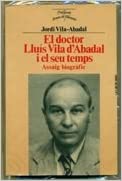
EL DOCTOR LLUÍS VILA D’ABADAL I EL SEU TEMPS (Biografía e historias reales)


 Esta obra intenta difundir y dar a conocer los hechos más importantes de la vida de San Rafael Kalinowski, las facetas más significativas de su alma, destacando ante todo la búsqueda de su propio camino hacia Dios y su caridad con el prójimo. Ofrecemos también testimonios de sus contemporáneos y una antología de textos de sus escritos.









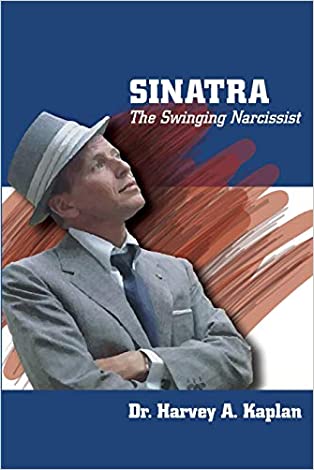 When we refer to Sinatra as a narcissist, we mean that he felt like someone who was superior, deserving special treatment and who required excessive admiration. In addition, he tended to be oblivious to the feelings of others and had a strong sense of entitlement. A narcissistic label can be attributed to many people but it would be preferable to be seen as a personality type that can be either productive or unproductive. The productive ones are those who are driven to live up to their potential. They want to change the world or in Sinatra’s case they want to change the landscape of popular singing. He was driven to follow his own drummer and Sinatra, the narcissist trained himself from an early age to block out other voices, other opinions, so one of the few voices he trusted was his own. I use the term ‘productive’ to indicate that he was able to use his powers and to realize the abilities inherent in him. It was his productiveness that pushed him to live up to his potential. He was an independent thinker who acted out of freedom, even when it meant taking big risks. And he was motivated by a vision of bringing something novel into the performance of popular singing. He used everything he could, including the preeminent composers, lyricists and arrangers to implement his vision, learning as much as possible along the way. He knew exactly who was with him and who was against him. He was passionately engaged in a mission and in turn, engaged others. Vision is the key to understanding the productive narcissist. Once Sinatra found his purpose, it crystallized his strengths. His passion flared up, bringing his talents and skills to life. He went after his vision with an overabundance of energy and determination. Nothing could stand in his way. He also had an undeniable emotional pull on others. The world was fascinated with his life and he was seen as a big charmer. Someone who could set the world on fire. This is the part that would characterize him as a “swinging narcissist.” There was such an excitement and vibrancy about his life and in turn he was so captivating and fascinating.