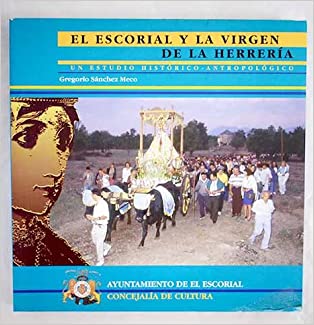
EL ESCORIAL Y LA VIRGEN DE LA HERRERÍA

VISITA VIRTUAL AL MONASTERIO DE SAN JERÓNIMO

LAS PUERTAS DE LA MEDINA DE TETUÁN

LA CATEDRAL DE PAMPLONA

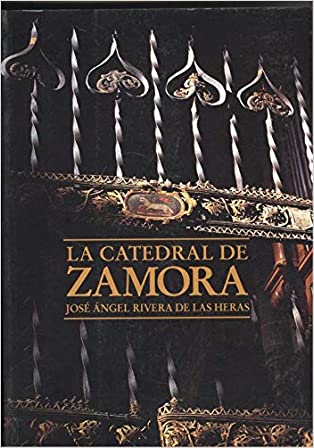
LA CATEDRAL DE ZAMORA
THE PASSION FAÇADE. SAGRADA FAMILIA
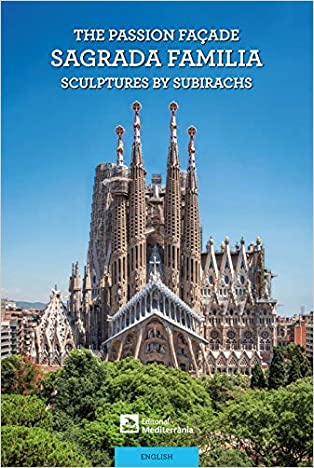 In 1986, the sculptor Josep Maria Subirachs accepted the most risky and complex project of his entire career: the groups of sculptures of the Sagrada Familia?s Passion Façade. The sculptor, who had gained remarkable prestige with an impressive career, made it a condition that he would work with complete freedom, using his own personal style: out of respect for Gaudí, he did not want to disrupt his work nor try to imitate it. The angular shapes and expression of Subirachs? figures on this façade emphasise the portrayal of Christ?s suffering and death, contrasting with the realism of the Nativity Façade, which is an expression of life. This little book will guide you upwards on a journey through the sculptures on the Passion Façade, which represents the tragic last days of the life of Jesus Christ: from the Last Supper to the Ascension. You will also find drawings and plaster models used by the artist to prepare the sculptures that were carved in stone in his study and later placed in their final position using a crane, with the artist finishing them on site. A sculptural ensemble of extraordinary proportions.
SANTA MARÍA DO CAMINO, ÁNIMAS E SAN BIEITO DO CAMPO

EDUARD TODA I GÜELL (1855-1941) I EL SALVAMENT DEL MONESTIR DE POBLET, A TRAVÉS
 Aquest llibre presenta una acurada edició dun extens conjunt de cartes relacionades especialment amb el monestir de Poblet, al qual Eduard Toda (1855-1941), diplomàtic i mecenes reusenc, va dedicar una gran atenció des de la seva joventut i que contribuí a restaurar duna manera decisiva durant els seus anys de maduresa.
LA CATEDRAL DE LA ALMUDENA

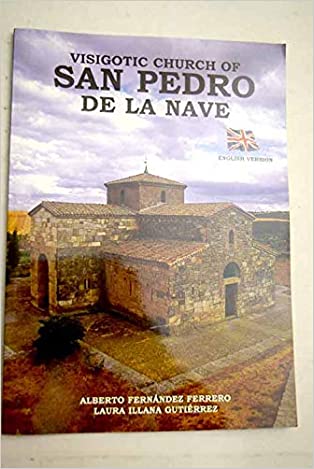
VISIGOTHIC CHURCH OF SAN PEDRO DE LA NAVE
CAPILLAS Y ERMITAS DEL CONCEJO DE SALAS

SANTA MARÍA DE BARBERÀ DEL VALLÈS

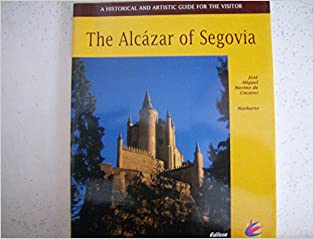
EL ALCÁZA DE SEGOVIA
LA CATEDRAL DE TOLEDO

LA BALMA DE ZORITA : 30 AÑOS EN TORNO AL SANTUARIO
 El autor expone, en palabras e imágenes, su particular relación con el ermitorio desde principios de los años setenta. Describe el conjunto de edificios y su entorno, habla de las fiestas y tradiciones que se dan cita aquí. Para ello toma como punto de partida diversos textos que recogen la historia y la mítica de uno de los santuarios marianos más emblemáticos de las comarcas castellonenses.