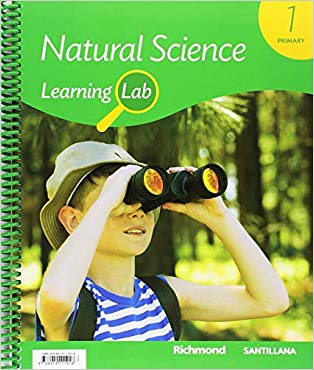
NEW THINK DO LEARN NATURAL SCIENCES 5. CLASS BOOK (MADRID) (Educación Primaria)
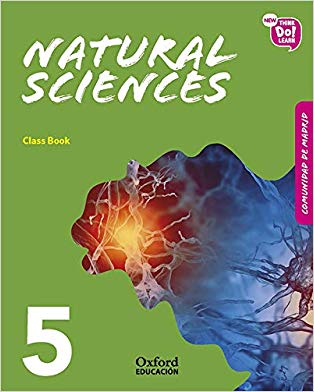

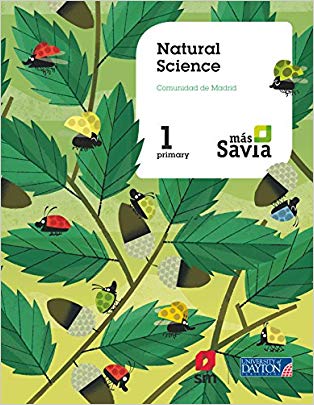 The MAS SAVIA Project for Natural Science takes advantage of different tools and methodologies to motivate the learning, understanding and application of the contents. The contents of each learning block are organized into three learning moments: Let's Get Started, Let's Understand and Let's use. Inserted between these are Make a Change (service-learning activities with many opportunities to work using co-operative strategies) in which both communicative and cognitive skills are put into practice. Many of the Let's Get Started and Let's Use sections take the form of experimental workshops. This general philosophy of promoting active learning is manifest in the final Making a Change task which integrates knowledge, skills and multiple intelligences. Natural Science takes the CLIL approach to making language and contents accessible with careful scaffolding of language and the visual summarizing of content. There are regular opportunities to review what has been learned. Attention to diversity is catered for by online testing which can give the teacher a clear and immediate evaluation of the class's performance by identifying students who may be having difficulties. Natural Science has been created in tandem with EPS: a new CLIL based English course for plurilingual primary schools which integrates closely with the Natural Science learning paths
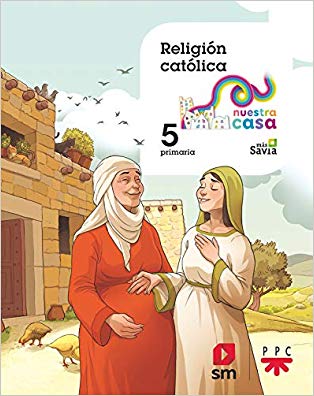 El proyecto Nuestra Casa para la etapa de Primaria de Religión Católica responde al "reto ecológico" del papa Francisco en la encíclica Laudato si´ de cuidar nuestra casa común. Los contenidos bíblicos y teológicos desarrollan el currículo de la CEE y se articulan en torno al cuidado personal, el cuidado del entorno y el cuidado del planeta. Una familia de seis miembros más una mascota, introduce al alumno en los contenidos de cada unidad con una especial atención a la diversidad cultural y la valoración de personas con discapacidad. Una apuesta decidida por ilustraciones bíblicas de alto nivel estético, permiten abordar los contenidos bíblicos estableciendo un diálogo entre Biblia y arte. Los contenidos teológicos propuestos por el currículo de la Conferencia Episcopal se desarrollan con un lenguaje accesible a los alumnos, apoyándose en textos magisteriales también adaptados al nivel de comprensión del alumnado y encarnados en "testigos" que encarnan en sus vidas los contenidos explicitados. Una doble página en torno al "cuidado" permite traducir los aprendizajes en prácticas cotidianas de cuidado. Prácticas que se abren al ámbito escolar, vecinal y familiar. Las unidades se cierran con resúmenes ilustrados con la técnica de Visual Thinking o Pensamiento Visual que facilitan la síntesis intuitiva de los aprendizajes adquiridos.