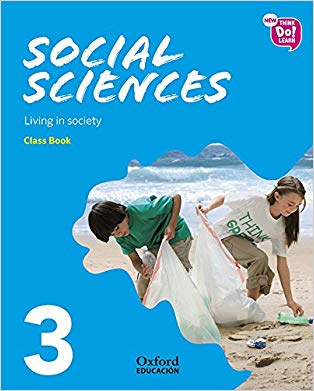
NEW THINK DO LEARN SOCIAL SCIENCES 3 MODULE 3. LIVING IN SOCIETY. CLASS BOOK (BLAIR, ALISON / CADWALLADER, JANE) (Educación Primaria)

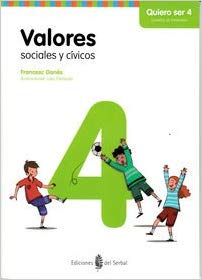 Libro del alumno decuarto curso de Educación Primaria para la asignatura "Valores sociales y cívicos" adaptada a la LOMCE.
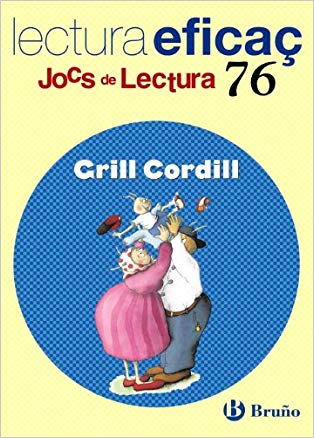 Aquest Joc de lectura és un material basat en activitats que s¿han de realitzar després de llegir el llibre Grill Cordill, número 42 de la col·lecció Altamar. El quadern es divideix en unitats didàctiques, de manera que cada unitat es compon d¿un o dos capítols del llibre de lectura (que els alumnes llegeixen inicialment) i d¿una sèrie d¿exercicis referits al text d¿aquest capítol o capítols: comprensió, vocabulari, habilitat visual... Recomanat per a 1r i 2n de Primària.
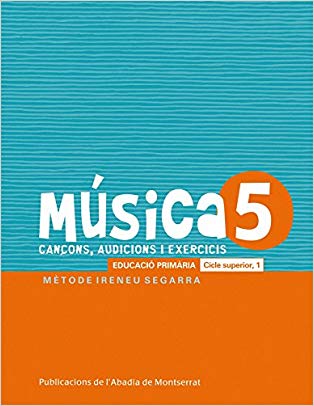 Quadern amb una selecció de les cançons, les audicions i els exercicis que formen part del curs de música del mètode Ireneu Segarra, ideal per a treballar amb els alumnes dEducació Primària, Cicle superior, 1
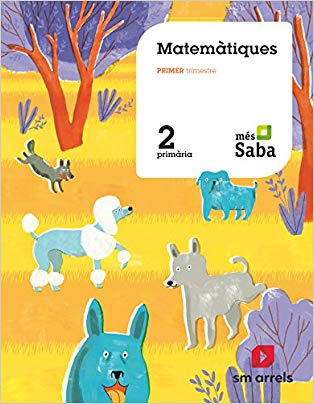 El projecte +SABA per a Matemàtiques es desenvolupa a través de tres eixos fonamentals: Activar per a Comprendre i Aplicar, Càlcul mental i Resolució de problemes. Els alumnes es convertiran en detectius, buscadors de tresors o viatgers del temps per a fer Matemàtiques al costat d'Irene, un dels membres de la colla de l'esquirol. De la seua mà s'enfrontaran a reptes que els ajudaran a resoldre la tasca final de cada trimestre. Els epígrafs de contingut s'organitzen en tres fases d'aprenentatge: Ens activem, Comprenem i Apliquem, en les quals s'intercalen activitats que promouen l'aprenentatge cooperatiu. En l'activació es proposen dinàmiques perquè l'alumne manipule, observe, faça... i arribe a la comprensió dels continguts. Les activitats de l'aplicació consoliden els continguts de l'epígraf. El programa de Càlcul mental se suporta en estratègies de composició i descomposició. Estes estratègies sorgixen com a conseqüència directa de la manipulació de materials concrets. La manipulació que l'alumne ha dut a terme durant l'aprenentatge dels algoritmes li permet "veure el nombre per dins". Després de la manipulació, l'alumne està en disposició de generar la imatge mental d'allò que ha manipulat. A més, es desenvolupa l'agilitat mental a través de jocs sistemàtics com els Mentatletes. El programa de resolució de problemes treballa el raonament a través de l'anàlisi d'imatges en la secció Quina situació! A més, es prepara el terreny per a abordar estratègies de resolució de problemes en cursos futurs. S'inclou un taller de lògica per a afermar continguts i la lògica de conjunts a través d'activitats lúdiques. Per a facilitar l'accessibilitat dels continguts, el projecte Més Saba de Matemàtiques cuida especialment la redacció i el vocabulari que utilitza. Per a progressar i anar superant barreres, les activitats se seqüencien per ordre de dificultat i algunes compten amb suports i desenvolupaments complementaris en el recurs didàctic. o Mas Savia de Matemáticas cuida especialmente la redacción y el vocabulario utilizado. Para progresar e ir superando barreras, las actividades se secuencian por orden de dificultad y algunas, cuentan con apoyos y desarrollos complementarios en el recurso didáctico.
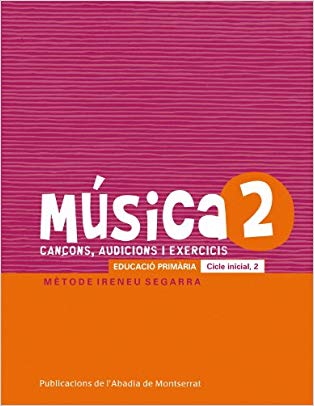 Quadern amb una selecció de les cançons, les audicions i els exercicis que formen part del curs de música del mètode Ireneu Segarra, ideal per a treballar amb els alumnes dEducació Primària, Cicle inicial, 2
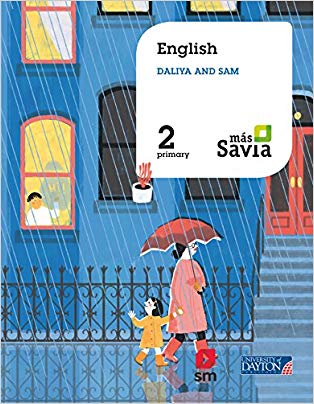 EPS for Primary is a dynamic CLIL based English course for plurilingual primary schools. It has been created in tandem with our Natural Science primary school course although it also contains shared contexts with Social Science, Music and Arts & Crafts. In this way EPS can complete an entire bilingual school primary education solution. The EPS units use CLIL steps to move from listening and speaking activities to reading and writing activities including the subtle acquisition of language structures through the Ninja Grammar sections. This helps to ensure that The EPS course is primarily communicative. Teachers also have access to over 90 optional grammar videos to reinforce work on language structures. The course includes its own phonics system developed especially for children whose first language is Spanish. Taking into account sounds found already in Spanish to sounds peculiar to English, the phonics element assures the smooth assimilation and practice of English pronunciation. For schools who have another preferred phonics system, the EPS system is modular and thus easy to skip. Videos open a window onto the culture of English speaking countries. EPS also prepares the pupils for the Cambridge English PET and KET exams with dedicated exam practice sections. It comes with complementary workbook and online resources.
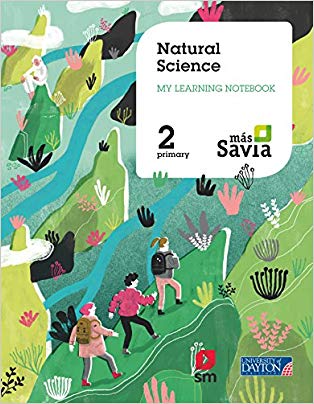 The MAS SAVIA Project for Natural Science takes advantage of different tools and methodologies to motivate the learning, understanding and application of the contents. The contents of each learning block are organized into three learning moments: Let's Get Started, Let's Understand and Let's use. Inserted between these are Make a Change (service-learning activities with many opportunities to work using co-operative strategies) in which both communicative and cognitive skills are put into practice. Many of the Let's Get Started and Let's Use sections take the form of experimental workshops. This general philosophy of promoting active learning is manifest in the final Making a Change task which integrates knowledge, skills and multiple intelligences. Natural Science takes the CLIL approach to making language and contents accessible with careful scaffolding of language and the visual summarizing of content. There are regular opportunities to review what has been learned. Attention to diversity is catered for by online testing which can give the teacher a clear and immediate evaluation of the class's performance by identifying students who may be having difficulties. Natural Science has been created in tandem with EPS: a new CLIL based English course for plurilingual primary schools which integrates closely with the Natural Science learning paths