THE BLOODY SAGA OF WHITE ROCK (Ficción moderna y contemporanea)



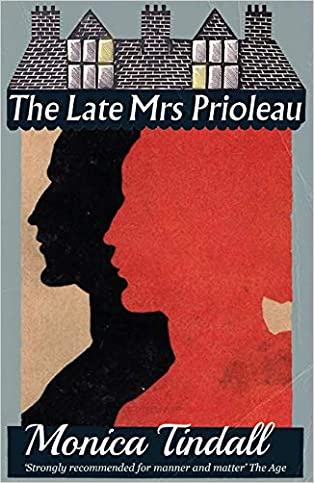 We might be living in the first chapter of one of my own detective stories, the kind of story I always felt to be so improbable. A woman lay dead upstairs waiting to be screwed down; in another bedroom a man was having hysterics; in the kitchen a grey parrot was imitating both their voices; and in the sitting-room crouched the pugs, glaring at us now with rage and terror in their popping eyes. Soon a car would drive up and Henry’s sisters would join us, and Mr Galvain the man of business; and I, the stranger, wearing black for a woman I had never known, sat waiting to meet them. At the opening of Monica Tindall’s brilliant only novel, Susan Prioleau wishes to investigate the source of the darkness and dysfunctionality in her husband’s family. Susan’s background as a mystery writer and journalist makes her the ideal choice to unearth the truth behind Helena Prioleau’s startling transformation from a charming, witty, artistic girl into the abusive woman she became after marriage. Susan’s investigations are as addictive and compelling as a detective novel, and Tindall’s subtle understanding of human nature will leave readers fascinated and conflicted about a woman who suffered much and made others suffer with her. This new edition includes an introduction by Gillian Tindall. “Shows her to have a style that is already mature, as well as considerable descriptive powers. Using the first person narrative technique, she unfolds the tragic story of a late 19th century marriage of convenience. Her subtle handling of the flashback adds to the refreshing quality of the book. It does not mean that she gives away any of the plot; on the contrary she introduces an element of surprise at the end.” Melbourne Argus
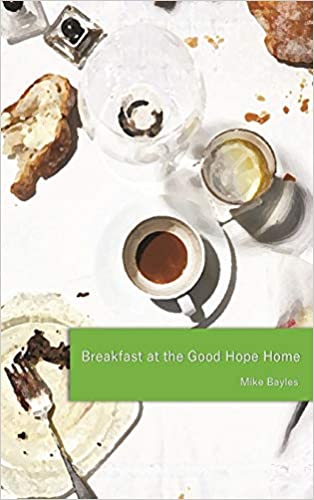 Breakfast at The Good Hope Home blends prose and poetry to describe the changes a young adult male faces after his father with Alzheimer’s disease is placed under a nursing home’s care. As the disease progresses, he loses the father he has known, getting discouraged when his father becomes unresponsive. With staff encouragement, he continues to visit and tried to find meaning, desperately hoping his words reach something deep inside of his father, who is staring up at the ceiling. With his father in the nursing home, the life he has known at home disintegrates. The neglected house needs repair and must be sold to cover expenses. He must help his mother who cannot accept the consequences of the disease. He must cope with the situation of his father becoming a child to him while working a job as a child welfare worker, and he finds his own place to live. Through verse and vignettes, Breakfast at The Good Hope Home describes the father’s decline from an able-minded person to one who needs constant care while the son helplessly watches him decline. In the end, he learns to let go lovingly, and although he has expected his father’s death for years, the loss of his father’s physical presence comes as a shock. He is drawn to his mother by the grief they share and by a promise he made to his father, finding relief in a final conversation. Breakfast at The Good Hope Home blends prose and poetry to describe the changes a young adult male faces after his father with Alzheimer’s disease is placed under a nursing home’s care. As the disease progresses, he loses the father he has known, getting discouraged when his father becomes unresponsive. With staff encouragement, he continues to visit and tried to find meaning, desperately hoping his words reach something deep inside of his father, who is staring up at the ceiling. With his father in the nursing home, the life he has known at home disintegrates. The neglected house needs repair and must be sold to cover expenses. He must help his mother who cannot accept the consequences of the disease. He must cope with the situation of his father becoming a child to him while working a job as a child welfare worker, and he finds his own place to live. Through verse and vignettes, Breakfast at The Good Hope Home describes the father’s decline from an able-minded person to one who needs constant care while the son helplessly watches him decline. In the end, he learns to let go lovingly, and although he has expected his father’s death for years, the loss of his father’s physical presence comes as a shock. He is drawn to his mother by the grief they share and by a promise he made to his father, finding relief in a final conversation.


 This work has been selected by scholars as being culturally important and is part of the knowledge base of civilization as we know it.This work is in the public domain in the United States of America, and possibly other nations. Within the United States, you may freely copy and distribute this work, as no entity (individual or corporate) has a copyright on the body of the work.Scholars believe, and we concur, that this work is important enough to be preserved, reproduced, and made generally available to the public. To ensure a quality reading experience, this work has been proofread and republished using a format that seamlessly blends the original graphical elements with text in an easy-to-read typeface.We appreciate your support of the preservation process, and thank you for being an important part of keeping this knowledge alive and relevant.
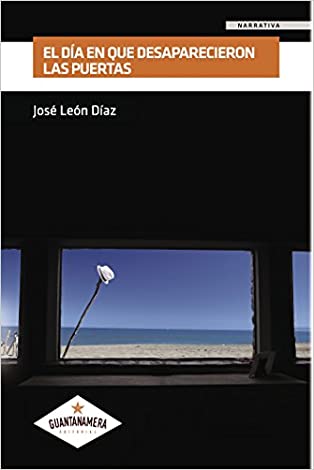 Con diversión y algo de tristeza, valga la paradoja, y a ratos con ciertas dosis de fastidio, el autor explora en algunas de esas zonas que nos hacen ser como somos, es decir, tristemente divertidos, y hasta fastidiados. Aunque vislumbradas desde Cuba, dichas zonas pueden ser (re)visitadas en cualquier sitio de este mundo hasta hace poco considerado ancho y venturoso. Esperemos que pronto lo vuelva a ser, pero, mientras tanto, con una mezcla de absurdo y realismo, si es que alguien puede separar ambos términos, los cuentos y viñetas de José León Díaz nos conducirán por esos pasillos laterales que la burocracia, las convenciones, la política, la cultura, en fin, la vida, nos obligan a recorrer. Y en esos tránsitos siempre estaremos acompañados de innegable humor.
 En el bosque Silverwood, hace siete años, una tragedia ocurrió: fuego fatuo acabó con árboles y criaturas, arrasando todo a su paso. Un grupo de seres tendrá que sobrevivir a un nuevo peligro que los acecha y los trata de destruir por dentro, ya que la pérdida de más vidas podría terminar en la extinción de toda criatura mágica.
 No todos tenemos la capacidad para aprender de los errores, y tendemos siempre a juzgar sobre el porqué nos pasan las cosas y no a reflexionar para que nos suceden esas cosas. Este poemario es una colección de poemas de los últimos 15 años vividos del autor. Una trayectoria desde su adolescencia hasta la adultez.Este libro es una manera de dar interpretación a aquellos acontecimientos que nos ocurren, ya sean buenos o malos y con los cuales muchos se sentirán identificados. La obra comparte poesía dramática y una amplia gama de poesía lírica romántica. En él, encontrarás poemas dedicados al amor, a ese amor que en todas sus facetas nos hace sentir múltiples emociones. A ese amor correspondido o no, a la traición, a los amigos, a los padres, a la naturaleza. Pero también encontrarás rebeldía, emociones en todo el sentido de la palabra y consejos que te pueden servir para reflexionar en tu vida diaria.Poesías que cuentan vivencias reales en muchas ocasiones, con palabras sencillas y lejos de enredar al lector en un lenguaje rebuscado. Más allá de eso, el objetivo es que tú, el que lees, te sientas identificado con estos poemas. Que compartas alegrías y dolores, pero que, sobre todo, te sirva de consuelo y de enseñanza y ganes en experiencia de vida, mientras vas descubriendo los laberintos por los que desandan estos Poemas del Corazón.
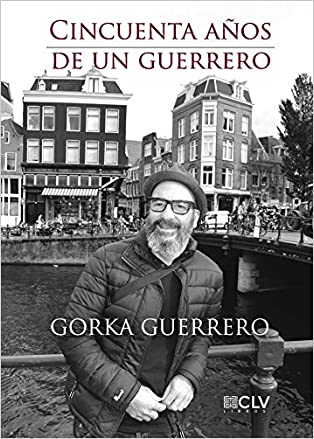 Cincuenta años de un Guerrero es un paseo por mi vida, desde la infancia, pasando por la adolescencia, la etapa universitaria, el matrimonio, los hijos, el divorcio y un nuevo porvenir.Cincuenta años contados con un denominador común: el amor en todas sus manifestaciones.Habla de sentimientos, valores y describe una sociedad que ya no existe, en la que los medios informáticos y las redes sociales no existían. Es una descripción de lugares y vivencias que quizás al lector le hagan rememorar su propia vida.
 Pocos días antes de celebrarse las primeras elecciones democráticas, el secuestro de un hombre perteneciente a una de las familias más pudientes de España convulsiona a la sociedad. En el Bilbao de los años setenta, nada es lo que parece. A raíz de este secuestro, Alberto Icaza, erigido en portavoz de la familia, se enfrenta a la miseria y podredumbre espiritual de sus propios parientes, sumergidos en una burbuja de poder, glamour, fiestas, negocios y relaciones de poder. Pero Alberto no solo descubrirá los secretos de su familia, sino también los suyos propios, así como la relación que le une a su mujer, una joven con la que se ha casado por pura conveniencia.