LENGUAJE ENSAMBLADOR PARA COMPUTADORAS BASADAS EN INTEL (IRVINE) (Sin clasificar)
MONEDA, BANCA E INSTITUCIONES FINANCIERAS (MISHKIN) (Banca)
NUEVAS TECNOLOGIAS PARA NUEVAS BIBLIOTECAS . DESARROLLO DE SERVICIOS DE INFORMACIÓN ELECTRÓNICA (MARTINEZ USERO) (Sin clasificar)
ADOLESCENCIA: EL FIN DE LA INGENUIDAD (LUIS KANCYPER) (Sin clasificar)
EL FACTOR HUMANO EN LA CIBERCULTURA (SCHULTZ, MARGARITA) (Sin clasificar)
REBELION DE ATLAS (TELA) (RAND, AYN) (Sin clasificar)
AMBIENTE LABORAL (LAU,JESUS) (Sin clasificar)
HEGEL (HEIDEGGER, MARTIN) (Sin clasificar)
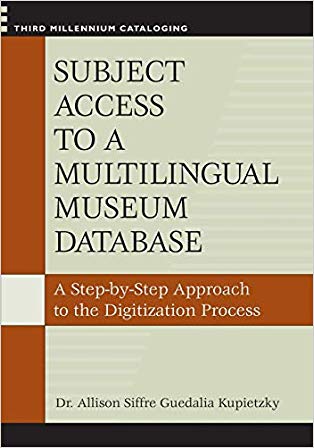
SUBJECT ACCESS TO A MULTILINGUAL MUSEUM DATABASE . A STEP-BY-STEP APPROACH TO THE DIGITIZATION PROCESS (KUPIETZKY, ALLISON SIFFRE GUEDALIA) (Access)
DIGITAL CONVERGENTE-LIBRARIES OF THE FUTURE. (EARNSHAW, R.) (Sin clasificar)
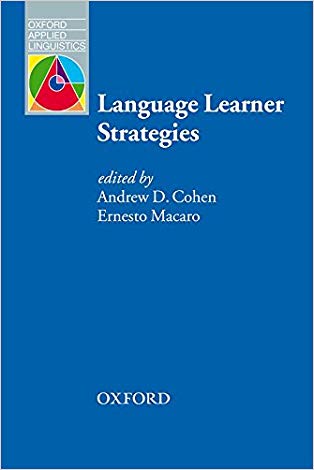
LANGUAGE LEARNER STRATEGIES. 30 YEARS OF RESEARCH AND PRACTICE (COHEN, ANDREW / MACARO, ERNESTO) (Excel)
Research into language learner strategies has the fundamental goal of improving the teaching and learning of second languages. This book explores the notion that the reason some learners of second languages excel and others struggle lies in what the learners themselves do-the strategies they bring to language learning and to language use.