RELIGIÓ CATÒLICA 1. (CRESPO MARCO, VALERO / VÁZQUEZ CRESPO, VANESSA / RODRÍGUEZ VILLALÓN, LIDIA MARÍA / CONDE MALIA, Mª DEL CARMEN)

JULIO VERNE 3. VIAJE AL CENTRO DE LA TIERRA. (VERNE JULIO)
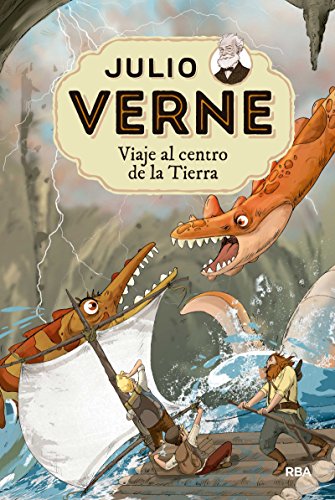 El profesor Lidenbrock y su sobrino Axel descubrirán un mundo subterráneo, con mares, bosques y animales antediluvianos. ¿Sobrevivirán a su peligroso encuentro con dinosaurios gigantes, poderosas tormentas y seres misteriosos?
PROYECTO PALOMITAS DE MAÍZ. EDUCACIÓN INFANTIL. 5 AÑOS. TERCER TRIMESTRE (CAMPUZANO VALIENTE, MARÍA DOLORES)
CLOE ENTRENAMENT DE LA COMPETÈNCIA LINGÜÍSTICA 3R (TIRADO FERNÁNDEZ, LUIS ALFONSO / MARTÍN TAMAYO, VICENTE)
PROYECTO PALOMITAS DE MAÍZ. EDUCACIÓN INFANTIL. 4 AÑOS. PRIMER TRIMESTRE (CAMPUZANO VALIENTE, MARÍA DOLORES)
CONNEXIONS 2. MATEMÀTIQUES (TORRA, MONTSERRAT)
EL PLANETA SONORO 4 – EDUCACIÓN MUSICAL – LIBRO DEL ALUMNO . EDUCACIÓN PRIMARIA. SEGUNDO CICLO (GARCÍA SANTOS, GONZALO / ROVIRA SANROQUE, RAQUEL)
 Edición preparada para Comunidades Autónomas con Sistema de Gratuidad (Andalucía, Aragón, Canarias, La Rioja y Navarra). El Libro del alumno está compuesto de 6 unidades didácticas, con 12 páginas cada una, con la siguiente estructura: Introducción. Presentación de los contenidos de la unidad a través de una lámina o ilustración motivadora relacionada con escenas cotidianas o situaciones referentes a la música. Cuento un cuento. Desarrollo de los contenidos a través de un cuento original sobre el viaje y las experiencias de Flopi. Canto un canto. Práctica de la expresión vocal con canciones originales o populares, presentadas progresivamente por medio de musicogramas con códigos no convencionales o con lenguaje musical convencional. Toco, toco. Desarrollo de la expresión instrumental . En movimiento. Bailes, coreografías y danzas para desarrollar la expresión corporal . Oye, oye. Breves audiciones de música popular y culta. Ciberlandia. Página de cierre de la unidad que propone un juego interactivo para ordenador que sintetiza, refuerza y amplía los contenidos trabajados en cada unidad. Más información en: www.elplanetasonoro.es
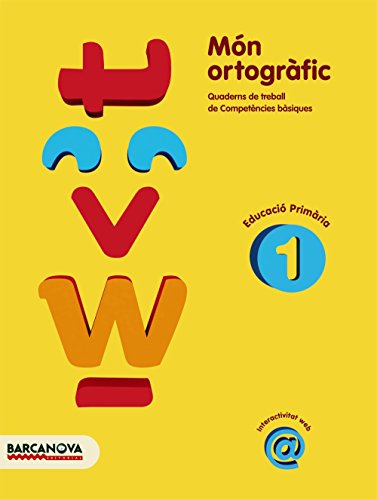
MÓN ORTOGRÀFIC 1 . QUADERN DE TREBALL DE COMPETÈNCIES BÀSIQUES (CAMPS, MONTSERRAT / BOTA, MONTSERRAT)
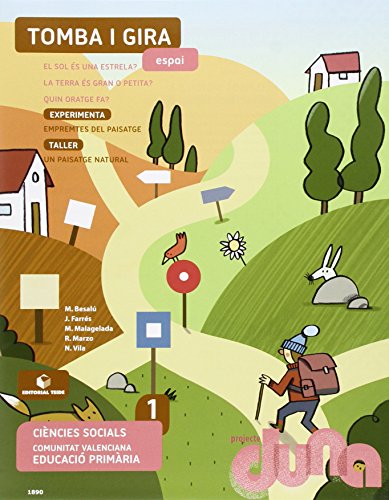
ESPAI. CIÈNCIES DE LA NATURALESA 1. PROJECTE DUNA – VALÈNCIA (BESALÚ CASADEVALL, MARTA / FARRÉS BRUNSÓ, QUIM / MALAGELADA SEGOVIA, MONTSERRAT / MARZO CASTILLEJO, ROSA / VILA CRUELLS, NEUS)
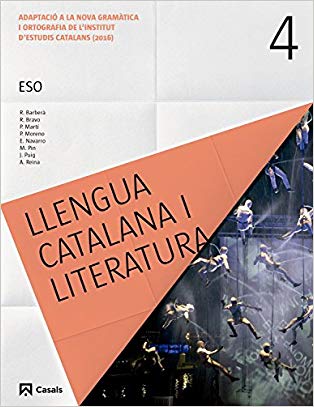
LLENGUA CATALANA I LITERATURA 4 ESO 2018
¿QUIÉN SOY YO Y…CUÁNTOS? . UN VIAJE FILOSÓFICO (PRECHT, RICHARD DAVID)
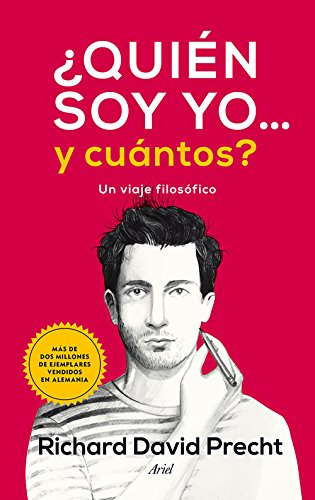 Convertido en un fenómeno sin precedentes, esta obra es una original introducción a la filosofía, divertida y erudita a la par, que entremezcla pensamiento clásico con cultura popular y que transita con soltura de Descartes a Star Trek, de Freud a los Monty Python. Inspirada en las tres grandes cuestiones de la ética kantiana ? ¿Qué puedo saber?, ¿qué debo hacer? Y ¿qué me cabe esperar?? nos invita a reflexionar sobre nosotros mismos a partir de las grandes cuestiones de la existencia humana; la verdad, la religión, la memoria, la justicia y la felicidad. Para ello, nos propone un viaje alrededor del mundo, emplazando cada uno de sus treinta y cuatro capítulos en un lugar paradigmático concreto; Sils María, donde conoceremos al solitario Nietzsche; Vanuatu, donde al parecer viven los seres humanos más felices del mundo; Madrid, donde Ramón y Cajal abordó la comprensión del cerebro humano. Por el camino topará con Louis Armstrong, Darwin, Schopenhauer, Sócrates, los Beatles, que nos descubrirán la antropología, o Tolstoi, que nos permitirá iniciarnos en el concepto del sentido de la vida. Un viaje fascinante y enriquecedor que nos redescubre el placer de pensar.
QUIERO 3 AÑOS 2 TRIM (INFANTIL)
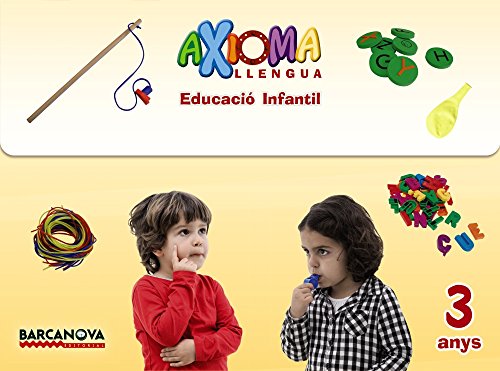
AXIOMA. LLENGUA P3. CARPETA DE L’ALUMNE (COLOMÀ, ELISABETH / NADAL, ANNA / SARRÀ, ANNA)
NATURAL SCIENCE. 2 PRIMARY. MÁS SAVIA (GARÍN MUÑOZ, MERCEDES / CÁLIZ, SONIA / HIDALGO GARCÍA, JUAN MIGUEL)
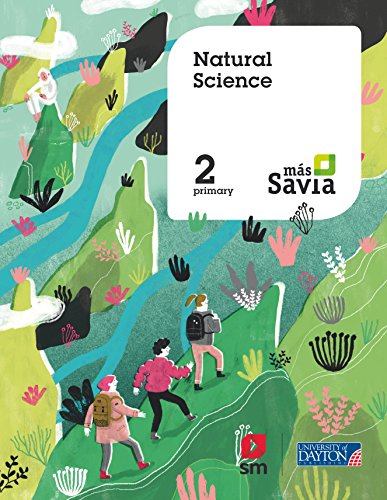 The MAS SAVIA Project for Natural Science takes advantage of different tools and methodologies to motivate the learning, understanding and application of the contents. The contents of each learning block are organized into three learning moments: Let's Get Started, Let's Understand and Let's use. Inserted between these are Make a Change (service-learning activities with many opportunities to work using co-operative strategies) in which both communicative and cognitive skills are put into practice. Many of the Let's Get Started and Let's Use sections take the form of experimental workshops. This general philosophy of promoting active learning is manifest in the final Making a Change task which integrates knowledge, skills and multiple intelligences. Natural Science takes the CLIL approach to making language and contents accessible with careful scaffolding of language and the visual summarizing of content. There are regular opportunities to review what has been learned. Attention to diversity is catered for by online testing which can give the teacher a clear and immediate evaluation of the class's performance by identifying students who may be having difficulties. Natural Science has been created in tandem with EPS: a new CLIL based English course for plurilingual primary schools which integrates closely with the Natural Science learning paths