LA NARRATIVA ACTUAL DE COLOMBIA Y SU CONTEXTO SOCIAL (LÓPEZ TAMÉS, ROMÁN) (Literatura: historia y crítica)


 Recull les obres guardonades en la primera convocatòria d'aquest premi que es co ncedeix a narracions en català fetes per alumnes de formació d'adults.



 This work has been selected by scholars as being culturally important and is part of the knowledge base of civilization as we know it.This work is in the public domain in the United States of America, and possibly other nations. Within the United States, you may freely copy and distribute this work, as no entity (individual or corporate) has a copyright on the body of the work.Scholars believe, and we concur, that this work is important enough to be preserved, reproduced, and made generally available to the public. To ensure a quality reading experience, this work has been proofread and republished using a format that seamlessly blends the original graphical elements with text in an easy-to-read typeface.We appreciate your support of the preservation process, and thank you for being an important part of keeping this knowledge alive and relevant.
 This work has been selected by scholars as being culturally important and is part of the knowledge base of civilization as we know it.This work is in the public domain in the United States of America, and possibly other nations. Within the United States, you may freely copy and distribute this work, as no entity (individual or corporate) has a copyright on the body of the work.Scholars believe, and we concur, that this work is important enough to be preserved, reproduced, and made generally available to the public. To ensure a quality reading experience, this work has been proofread and republished using a format that seamlessly blends the original graphical elements with text in an easy-to-read typeface.We appreciate your support of the preservation process, and thank you for being an important part of keeping this knowledge alive and relevant.
 This work has been selected by scholars as being culturally important and is part of the knowledge base of civilization as we know it.This work is in the public domain in the United States of America, and possibly other nations. Within the United States, you may freely copy and distribute this work, as no entity (individual or corporate) has a copyright on the body of the work.Scholars believe, and we concur, that this work is important enough to be preserved, reproduced, and made generally available to the public. To ensure a quality reading experience, this work has been proofread and republished using a format that seamlessly blends the original graphical elements with text in an easy-to-read typeface.We appreciate your support of the preservation process, and thank you for being an important part of keeping this knowledge alive and relevant.

 En apenas diez años, desde las primeras entregas de El Duende Satírico del Día (1828) hasta el pistoletazo con que puso fin a su vida (1837), Mariano José de Larra escribió, con el nombre común de «artículos» y un uso inconfundible del subjetivismo y de la ironía, la prosa de ideas más penetrante de su siglo, en la que conviven formas, géneros y modos como el ensayo, la crítica literaria, la sátira política, la parodia, la narración costumbrista o la carta ficticia. Esta edición preparada por Alejandro Peréz Vidal sigue y respeta la selección que el propio Larra quiso ofrecer a su público en los cinco tomos de Fígaro (1835-1837). A los famosos títulos allí recogidos se añaden aquí varias piezas primerizas. Para el establecimiento y esclarecimiento del texto se han tenido en cuenta además los autógrafos de las primeras versiones, previas a la actuación de los censores y utilísimas para comprender el proceso creativo del autor.
 «Quien niegue o dude que estamos en revolución, que vaya al teatro del Príncipe y vea representar el drama del Duque de Rivas». A los primeros espectadores, en efecto, no se les escapó que el Don Álvaro suponía una ruptura decisiva con la imagen tradicional del individuo, la sociedad y la literatura: era no tanto el comienzo como el más rotundo paradigma del Romanticismo español. La edición de Miguel Ángel Lama permite seguir en cada una de sus etapas la progresiva elaboración de la obra, al par que comenta y documenta con todo detalle cómo la visión del mundo del autor va plasmándose en soluciones escénicas, recursos lingüísticos, tributos a unos modelos y repulsas a otros, con particular atención a los aspectos históricos y pintorescos que enriquecen la singularidad de los protagonistas.
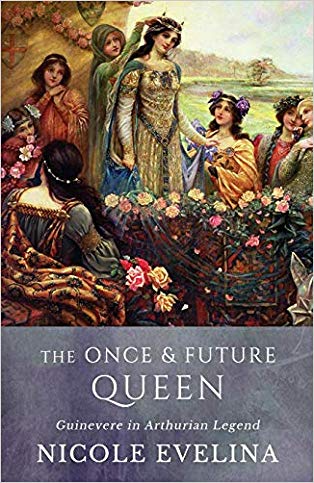 Author's Circle Non-Fiction Book of the Year Sarton Women's Book Prize Winner Guinevere?s journey from literary sinner to feminist icon?took over one thousand years?and it?s not over yet. Literature tells us painfully little about Guinevere, mostly focusing on her sin and betrayal of Arthur and Camelot. As a result, she is often seen as a one-dimensional character. But there is more to her story. By examining popular works of more than 20 authors over the last one thousand years, The Once and Future Queen shows how Guinevere reflects attitudes toward women during the time in which her story was written, changing to suit the expectations of her audience. Beginning in Celtic times and continuing through the present day, this book synthesizes academic criticism and popular opinion into a highly readable, approachable work that fills a gap in Arthurian material available to the general public. Nicole Evelina has spent more than 15 years studying Arthurian legend. She is also a feminist known for her fictional portrayals of strong historical and legendary women, including Guinevere. Now, she combines these two