EL CASO FERGUSSON (MACDONALD, ROSS) (Literatura: historia y crítica)


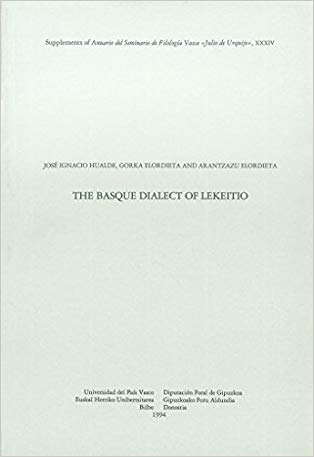 This book is a study of the Basque variety spoken in Lekeitio (Vizcaya). As such we have intended to make a direct contribution to Basque dialectology, aiming at setting certain standards for research in this area. In addition, we believe that some of the materials assembled in this work will be of interest to a larger audience beyond Basque specialists. It is for this reason that we decided to write the present book in English. In our opinion, certain linguistic aspects are treated in more detail here than in any previous work on any other Basque variety. A case in point would be accentuation, both at the lexical level and in its relation to the syntactic process of focalization.
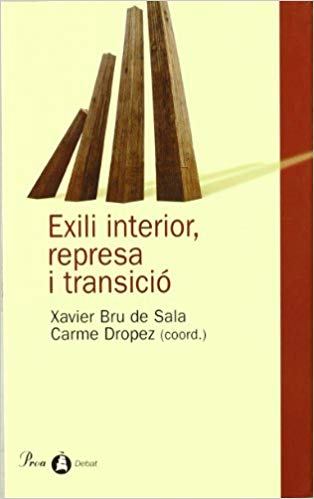 El catalanisme polític i cultural, en el seu esforç de reconstrucció nacional sota el franquisme, va passar tres etapes clau: el dolorós exili interior dels primers anys de postguerra; la represa cultural dels seixanta i els moments d?incertesa a
 El cuento moderno nace en España de la mano, sobre todo, de Leopoldo Alas. En la estela de las Novelas Ejemplares de Cervantes, y como Verga, Chejov, Meritée o Poe en sus literaturas respectivas, «Clarín» desborda el molde y los temas del cuento folklórico tradicional para dar a sus relatos la dignidad y la riqueza de la novela. La presente colección incluye casi una veintena de cuentos: no falta ninguno de los más celebrados (El diablo en Semana Santa, Pipá, Doña Berta...), pero hay también lugar para otros muy significativos que han tenido poca fortuna crítica y editorial (como Superchería o El oso mayor). De todos ellos ofrece Ángeles Ezama el texto más fiel a la intención del autor, depurándolo de los errores de las primeras publicaciones periodísticas, consignando todas las revisiones y enriqueciéndolo con las notas que requieren estas piezas cargadas de alusiones literarias, de costumbres de época y de sutil ironía.
 This work has been selected by scholars as being culturally important and is part of the knowledge base of civilization as we know it.This work is in the public domain in the United States of America, and possibly other nations. Within the United States, you may freely copy and distribute this work, as no entity (individual or corporate) has a copyright on the body of the work.Scholars believe, and we concur, that this work is important enough to be preserved, reproduced, and made generally available to the public. To ensure a quality reading experience, this work has been proofread and republished using a format that seamlessly blends the original graphical elements with text in an easy-to-read typeface.We appreciate your support of the preservation process, and thank you for being an important part of keeping this knowledge alive and relevant.
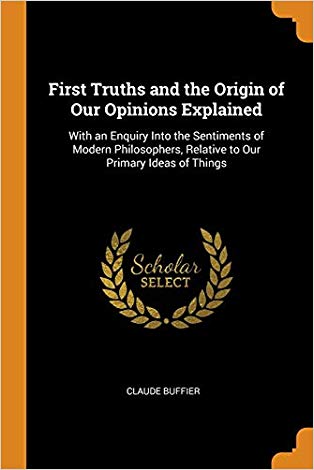 This work has been selected by scholars as being culturally important and is part of the knowledge base of civilization as we know it.This work is in the public domain in the United States of America, and possibly other nations. Within the United States, you may freely copy and distribute this work, as no entity (individual or corporate) has a copyright on the body of the work.Scholars believe, and we concur, that this work is important enough to be preserved, reproduced, and made generally available to the public. To ensure a quality reading experience, this work has been proofread and republished using a format that seamlessly blends the original graphical elements with text in an easy-to-read typeface.We appreciate your support of the preservation process, and thank you for being an important part of keeping this knowledge alive and relevant.


 Escrita con profundidad y humor, esta novela contiene una parábola sobre el paso del tiempo, el arte, la vida y la muerte. "Me gustan los relatos de Eduardo Álvarez. En Latinoamérica no abundan los escritores con ironía poética. No me extraña que haya nacido en la Argentina. Me gustan sus historias porque se pueden contar, porque no son posmodernas y porque están escritas con signos de puntuación, en castellano, mi idioma, nuestro idioma. Frase de Guillermo Cabrera Infante