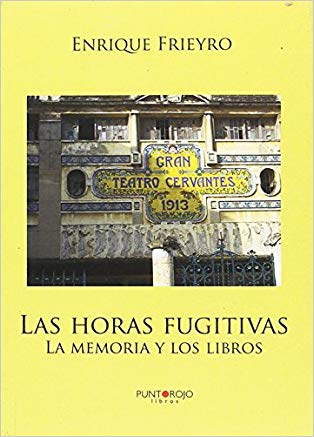
LAS HORAS FUGITIVAS. LA MEMORIA Y LOS LIBROS (FRIEYRO , ENRIQUE)

THE PIANO LOVE AFFAIR (WILLIAMS, JACK;BRAKEBILL, CHARLES)
 Charlie Brakebill was a GI stationed in France during WWII. This book is the story of how he and a young French woman met and courted, how they were separated by the war, and how decades later he finds closure. Includes photographs.
LIFE CHALLENGES (KWIK, IRENE)
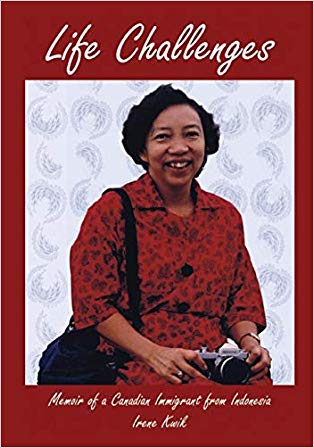 I won't make a pretext that I have the most interesting life story. However, I think that at least I have one of the best. In the second part of my memoir I was talking about my direct and extended families ; how we interact with each other, etc. In the third part . I was talking about my friends, my career, my goal and aspirations. It has been my goal in life to be "somebody" and to help my fellow human beings to fight against unfair or arbitrary treatments, either from the authorities, or from other people. So, when the opportunity came to work as a journalist in Indonesia, I was very delighted. I worked for a Christian newspaper, Sinar Harapan, which had the second biggest circulation in Indonesia, at that time. However, my career as a journalist was cut short, as the military authorities forced the publisher and chief editor to terminate my position. I even was not allowed to work in any social media. So, I had to change my career as a journalist to a film translator with Superba Subtitling Company in Jakarta. Later on I worked as an Information Assistant for the N
BALTASAR PORCEL . MALLORCA, BARCELONA, EL MÓN (VVAA)

150 ANYS DE LA GUÀRDIA URBANA DE VIC

VAGABOND POLICEMAN (HURLBUT, MAX K.)
 The author joins LAPD in the fading "Noir" era and is assigned to Hollywood. Ride with him as he encounters thugs, colorful pimps, and other characters in patrol & vice. MAX is "The crow collecting shiny things---the bits and pieces that color life." He writes with wit and humor of incidents and characters. MAX heads north to Alaska to police the Aleutian Chain, the Pribilofs, and Kodiak Island. He gives a "Sourdough's" insight into some peculiar happenings in the "Land of the Midnight Sun" as he patrols in kayak & snowshoes. He is called out of retirement to become City Marshal of Tombstone, Arizona, to find corruption and a department run amok. Two of his four deputies are shot to death. MAX travels the world as an Army Advisor. He tests experimental parachutes, is arrested in Egypt, pursued in The Sudan, hunts in the Congo, and sees action on the Thai/Cambodian border. He meets kings & presidents, generals & cannibals---and marries the Colonel's daughter in the Republic of China.
INFORME SOBRE L’AUDIOVISUAL A CATALUNYA
 Visió sintètica però completa dels esdeveniments més significatius en aquest sec tor al llarg de l'any. L'informe, que s'estructura en cinc parts, revisa les nov etats legislatives i organitzatives, la relació del mercat televisiu català amb l'espanyol, així com l'estat de l'audiència i la presència del català en el camp radiofònic, entre altres aspectes.
THE RED BRICK PANTRY (NOCCA, MARGARET R)
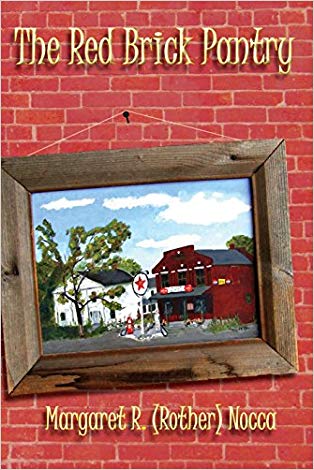 In the early 1960?s, a young couple with two small children, tired of the Long Island rat-race, leave New York in search of a new life in Vermont. Disillusioned with the tourist industry they purchase a General Store in the rural village of Bridport in the Champlain Valley. For seven years, as their children grow up, they learn to love life in the country. He learns to cut meat, what goes into a stew and a cake, how to grind hamburger and cut up chickens, she learns how to pump gas, the difference between 10?penny nails and wood screws and what pickled tripe looks like. He learns which beers sell best, how to store dry goods and how to order insulin for special customers. She flounders in distress over bookkeeping, stocks shelves, dislikes cutting liver and gives a coat of paint to the entire inside of the store, shelf by shelf, over a year?s time. The children go to school, join 4-H Clubs and learn about animal husbandry from their peers.There is the garden, canning and freezing veggies, making jam, acquiring pets and other assorted animals from rabbits and chickens, squirrels and pigeons to a "rented" pony
MEMORIAS DE UN JOVEN CATÓLICO DE DERECHAS, SOLDADO DE LA REPÚBLICA (1915-1944) (ROMERO FERNÁNDEZ-FRANQUERO, RAFAEL DEL)
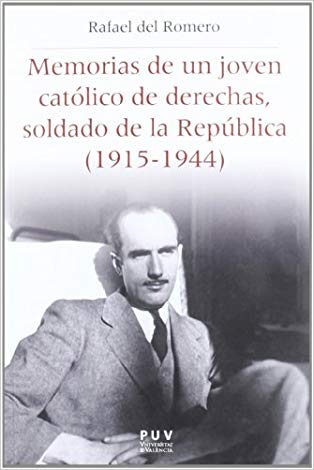 Como soldado del ejército republicano, Rafael del Romero llevó siempre una máscara. Católico convencido y con una ideología política marcadamente conservadora, se vio obligado a combatir en el bando contrario al que defendía en su fuero interno. El final del conflicto bélico lo obligó igualmente a la búsqueda de una estabilidad que le permitiera seguir sobreviviendo. Las adversas circunstancias de la postguerra truncaron las ambiciones de juventud y la que era una auténtica vocación literaria y pedagógica. Sólo al final de su vida, pudo cumplir su sueño y redactar estas memorias, un texto confesional que aporta nuevos matices y ayuda a recomponer el todavía inacabado mapa de la memoria histórica de la Guerra Civil y las contradicciones y dramas personales de sus protagonistas.
CRÓNICA D’UNA CASA, UN CARRER, I LA FAMÍLIA REITG, 1338-1948 . GIRONA (REITG I NONÓ, TERESA)

RELATO SEGÚN MI MEMORIA (NIETO ALCÁNTARA, ALFONSO)
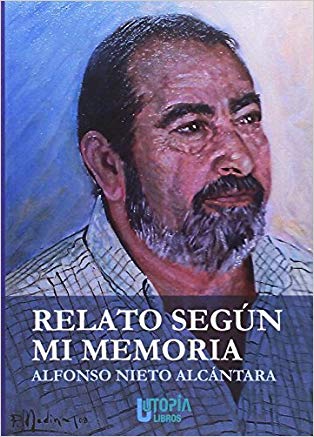
MEMORIAS DE CHICHO GORDILLO Y ROSA DE ALBA (GARCIA DEL CID GUERRA, CONSUELO)
 "Chicho Gordillo es una especie de billete de quinientos euros que le cae bien a todo el mundo y que solo te ponen pegas cuando vas a cambiarlo. Claro que, ¿por quién se podría cambiar a Chicho Gordillo, quién tenía esa clase, quién imitaba, vestía o se movía como él? Chicho abonaba el «terreno» salas de fiesta, cabarets, teatros, convenciones y todo aquel lugar donde actuaba para que el resto de los que seguíamos sus pasos pudiéramos actuar allí donde él dejaba las puertas abiertas."
ENSEÑARLE A HABLAR A UNA PIEDRA (DILLARD, ANNIE)
 Los grandes escritores de nature writing son hombres y mujeres capaces, en primer lugar, de observar la naturaleza con una agudeza singular y, a continuación, construir un relato que permita al lector viajar hasta esos mundos normalmente tan ajenos a nuestra civilizada cotidianeidad. Annie Dillard, sin embargo, va más allá. Annie Dillard ve a través de las grietas por las que el mundo natural se deshilvana y se reteje, donde los fenómenos en apariencia más dispares encuentran el vínculo que los somete a una misma ley tan ineluctable como incognoscible. Annie Dillard es hija de Henry David Thoreau, por supuesto, pero también del Maestro Eckhart. Annie Dillard es una tenaz exploradora y éste, un libro sobre expediciones tanto a algunos de los lugares más remotos de la Tierra (el Polo Norte, las islas Galápagos, la selva ecuatoriana, el estrecho del Pacífico, la cordillera de los Apalaches) como a regiones del espíritu a las que muy pocos viajeros han llegado. Aunque, en última instancia, da igual que Dillard nos relate un viaje a la última frontera o un paseo por las colinas Blue Ridge que rodean su casa: en la prosa de esta autora el mundo natural, el más exótico, el más cercano, destella, cuando no arde, como la más lúcida metáfora del espíritu. Pocos, muy pocos escritores han expresado mejor el inexpresable temor, la inaplazable reverencia que siempre ha suscitado la naturaleza y que nuestra contemporaneidad, tanto en su versión «eficaz» y «extractiva», como en su versión «paisajística» y «sostenible», se empeña en olvidar. Quién podría acompañar a Dillard En realidad sólo puedo pensar en poetas: Emily Dickinson, por supuesto, pero también el discreto, y aun así colosal, Robinson Jeffers. Al fin y al cabo, allá donde se posa la mirada de Dillard, la belleza del mundo arrasa sus pupilas, y sus palabras, como la mejor poesía, dan cuenta de esa lucha por inscribir el misterio último de una emoción que carece de lenguaje.
GUERRAS DE LECHUGA (NEUBURGER, BRUCE)
 En 1971, Bruce Neuburger, joven, sin trabajo y radicalizado por las luchas de los Derechos Civiles y los movimientos revolucionarios de la d?cada de 60s, consigui? empleo como trabajador agr?cola en el Valle de Salinas, California. ? El viaje comienza en un momento notable, despu?s del nacimiento de la Uni?n de trabajadores agr?colas (UFW) y el consiguiente aumento en la militancia de los trabajadores campesinos. Una huelga poderosa estalla en 1970 y convierte ese f?rtil valle en un campo de batalla entre los trabajadores y los rancheros. Lo que comienza como un trabajo temporal se convierte en una d?cada de lucha y de duro trabajo al lado de los trabajadores inmigrantes que alimentan la naci?n. Como participante en los esfuerzos de organizar y protestar en el campo, de las huelgas y boicots, Neuburger experimenta personalmente el movimiento de los trabajadores agr?colas que sacude al sistema racista del apartheid en los campos de California--y las fuerzas que convergen para controlar y destruir ese movimiento. Parte autobiograf?a, parte informado comentario del trabajo agr?cola, el movimiento laboral de
THE CRANE DANCE (FINGER, WILLIAM R.)
 Like many men today, Bill Finger experienced the perfect storm of job restructuring, shifting gender roles, and a pink slip. With young children, little money, and a fuzzy career vision, he hit an emotional bottom. Only then did he come to grips with long buried grief and guilt as a white Mississippian and Conscientious Objector as well as a family history of depression. He came to realize how his responses to major life transitions had hobbled him in dealing with fatherhood, breadwinning, and vocation. Drawing on the energies of the men?s movement, the power of the expressive arts, and the quiet force of meditation ? along with antidepressants and therapy ? he discovered a new vitality for the second half of life.