AMERICAN THOUGHT FROM PURITANISM TO PRAGMATISM AND BEYOND (RILEY, WOODBRIDGE)
 This work has been selected by scholars as being culturally important and is part of the knowledge base of civilization as we know it.This work is in the public domain in the United States of America, and possibly other nations. Within the United States, you may freely copy and distribute this work, as no entity (individual or corporate) has a copyright on the body of the work.Scholars believe, and we concur, that this work is important enough to be preserved, reproduced, and made generally available to the public. To ensure a quality reading experience, this work has been proofread and republished using a format that seamlessly blends the original graphical elements with text in an easy-to-read typeface.We appreciate your support of the preservation process, and thank you for being an important part of keeping this knowledge alive and relevant.
PROCLI DIADOCHI IN PLATONIS TIMAEUM COMMENTARIA; VOLUME 2 (DIEHL, ERNST/PROCLUS, ERNST)
 This work has been selected by scholars as being culturally important and is part of the knowledge base of civilization as we know it.This work is in the public domain in the United States of America, and possibly other nations. Within the United States, you may freely copy and distribute this work, as no entity (individual or corporate) has a copyright on the body of the work.Scholars believe, and we concur, that this work is important enough to be preserved, reproduced, and made generally available to the public. To ensure a quality reading experience, this work has been proofread and republished using a format that seamlessly blends the original graphical elements with text in an easy-to-read typeface.We appreciate your support of the preservation process, and thank you for being an important part of keeping this knowledge alive and relevant.
ACCIÓN COLECTIVA . BASES CONCEPTUALES Y LÓGICAS (ARRAZOLA ITURBE, JOSEBA XABIER)

IDEARIO DE OTOÑO (GARCÍA, DIONISIA)

INTRODUCCIÓN AL ESTUDIO DE LA FILOSOFÍA (GRAMSCI, ANTONIO)
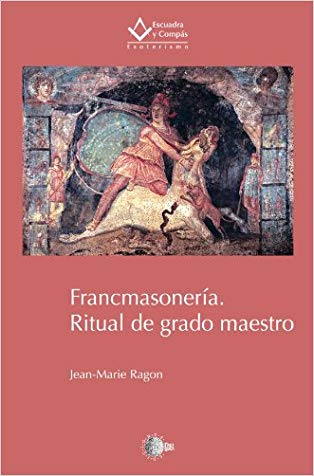
FRANCMASONERÍA . RITUAL DE GRADO MAESTRO (RAGON, JEAN-MARIE)
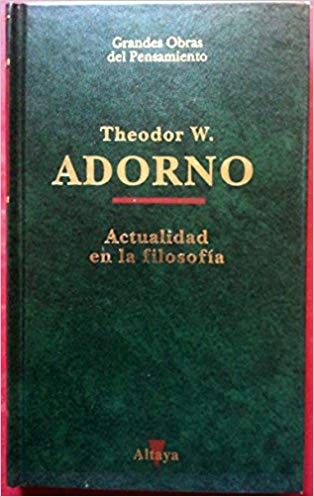
ACTUALIDAD DE LA FILOSOFÍA (ADORNO, THEODOR W.)
PRINCIPIOS CIENCIA NUEVA SOB. NAT. COMÚN DE NACIONES. (TOMO 4) (VICO, GIAMBATTISTA)

DE CONFUCIO A CRISTO (DOM LOU TSENG-TSIANG)

A HISTORY OF ANCIENT BRITAIN (OLIVER, NEIL)

VISIÓ DELECTABLE DE LA PHILOSOPHIA ET ARTES LIBERALES… (TORRE, ALFONSO DE LA)

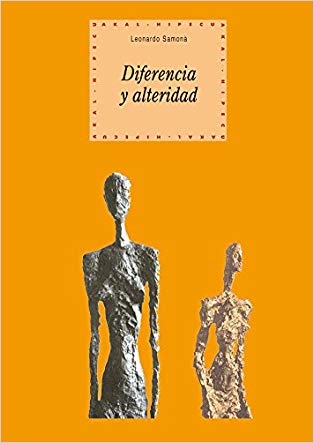
DIFERENCIA Y ALTERIDAD (SAMONÀ, LEONARDO)
EL CALENDARI : COL·LOQUIS DE VIC XVII

L’ART DE LA CONVERSIÓ. EL CRISTIANISME I LA CÀBALA EN EL SEGLE XIII (HAMES, HARVEY J.)
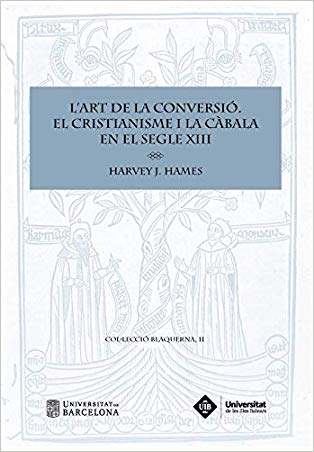 Lart de la conversió. El cristianisme i la càbala en el segle XIII parla de les relacions que Ramon Llull (1232-1316) va mantenir amb els jueus contemporanis i de com integrar els ensenyaments de la mística jueva (la càbala) en el seu sistema de pensament amb la finalitat de persuadir els jueus perquè es convertissin a la religió cristiana. També analitza lactitud de Llull envers els jueus, el seu coneixement de la càbala, les seves teories sobre la Trinitat i lEncarnació, lús de lArt per demostrar aquests dogmes mitjançant la raó i limpacte de les seves idees sobre la comunitat jueva. Aquest estudi desafia lopinió acadèmica convencional sobre el coneixement que els pensadors cristians tenien del saber jueu contemporani i qüestiona si els cristians ja sabien o utilitzaven la càbala abans del Renaixement. A més, suggereix que Llull era ben conscient dels debats intel·lectuals i de les controvèrsies religioses de lèpoca dins de la comunitat jueva. Ramon Llull és el primer pensador cristià que va reconèixer i va creure que la càbala podia ser una eina per a la conversió.