Saltar al contenido

Mente, cuerpo y espíritu

PSYCHOSOPHY, IN SIX PARTS (RICHMOND, CORA L. V.) (Mente, cuerpo y espíritu)
This work has been selected by scholars as being culturally important and is part of the knowledge base of civilization as we know it.This work is in the public domain in the United States of America, and possibly other nations. Within the United States, you may freely copy and distribute this work, as no entity (individual or corporate) has a copyright on the body of the work.Scholars believe, and we concur, that this work is important enough to be preserved, reproduced, and made generally available to the public. To ensure a quality reading experience, this work has been proofread and republished using a format that seamlessly blends the original graphical elements with text in an easy-to-read typeface.We appreciate your support of the preservation process, and thank you for being an important part of keeping this knowledge alive and relevant.

POPULAR TALES OF THE WEST HIGHLANDS (CAMPBELL, JOHN FRANCIS) (Mente, cuerpo y espíritu)

This work has been selected by scholars as being culturally important and is part of the knowledge base of civilization as we know it.This work is in the public domain in the United States of America, and possibly other nations. Within the United States, you may freely copy and distribute this work, as no entity (individual or corporate) has a copyright on the body of the work.Scholars believe, and we concur, that this work is important enough to be preserved, reproduced, and made generally available to the public. To ensure a quality reading experience, this work has been proofread and republished using a format that seamlessly blends the original graphical elements with text in an easy-to-read typeface.We appreciate your support of the preservation process, and thank you for being an important part of keeping this knowledge alive and relevant.
THE DARKER SUPERSTITIONS OF SCOTLAND (DALYELL, JOHN GRAHAM) (Mente, cuerpo y espíritu)

This work has been selected by scholars as being culturally important and is part of the knowledge base of civilization as we know it.This work is in the public domain in the United States of America, and possibly other nations. Within the United States, you may freely copy and distribute this work, as no entity (individual or corporate) has a copyright on the body of the work.Scholars believe, and we concur, that this work is important enough to be preserved, reproduced, and made generally available to the public. To ensure a quality reading experience, this work has been proofread and republished using a format that seamlessly blends the original graphical elements with text in an easy-to-read typeface.We appreciate your support of the preservation process, and thank you for being an important part of keeping this knowledge alive and relevant.
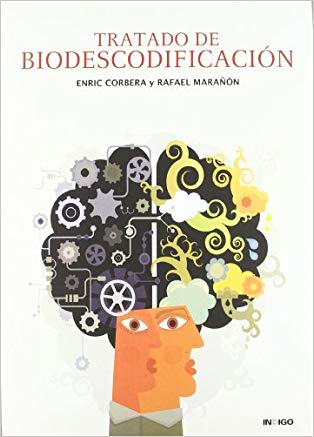
TRATADO DE BIODESCODIFICACION (CORBERA, ENRIC) (Mente, cuerpo y espíritu)

La Biodescodificación nos enseña a escuchar, a escuchar nuestro cuerpo, una escucha biológica, no psicológica. Es la búsqueda de los códigos biológicos que hay detrás de todo síntoma y la comprensión emocional que los activa, para que, de esta manera, se puedan descodificar y activar unos nuevos códigos, gracias al cambio de perspectiva que el paciente obtiene en la búsqueda. Nos enseña a acompañar a nuestro paciente a este lugar que él no quiere ir, el inconsciente, este lugar oscuro que Carl G. Jung le llamaba sombra. Vendría a ser como la analogía de un cuento sufí: "Érase un hombre que estaba buscando las llaves que había perdido de su coche, y las estaba buscando a la luz de una farola. Se le acerca alguien y le pregunta: ¿qué estás buscando? Y él responde: las llaves de mi coche que las he perdido. A lo que le contesta: no te preocupes: ¿estás seguro de haberlas perdido aquí? No, le contesta, las he perdido allá, señalando la oscuridad. Entonces, ¿por que las buscamos aquí? Y él le contesta: ¡Porque aquí hay luz! Nosotros actuamos igual, buscamos la solución a nuestros males en un lugar cómodo llamado consciente. Allí encontramos las explicaciones que nos interesan. En el consciente nos podemos justificar, razonar y explicar lo sucedido. Pero la solución está en el inconsciente, aquel lugar oscuro donde no queremos ir, porque en él se encuentran las auténticas razones que no queremos ver ni escuchar. Hay que tomar consciencia de que la emoción es la clave, es la que nos permite vivir, es el motor.

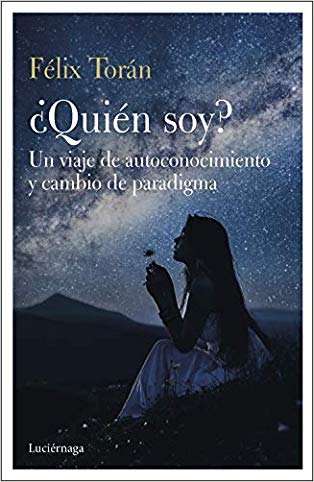
¿QUIÉN SOY? . UN VIAJE DE AUTOCONOCIMIENTO Y CAMBIO DE PARADIGMA (TORÁN MARTÍ, FÉLIX) (Mente, cuerpo y espíritu)

Emprender un camino de desarrollo espiritual implica un proceso de autoconocimiento. Y para conseguirlo, hay que formularse una pregunta clave: ¿quién soy? Poner todos nuestros esfuerzos en resolver esta duda resultará la herramienta fundamental para lograrlo. En ¿Quién soy? cada capítulo irá abriendo puertas facilitando tus propias respuestas interiores y aportando consejos y herramientas prácticas. Te conducirán a un auténtico «salto cuántico» interior, ayudándote a convertirte en un ser más consciente de ti mismo, que vive una vida feliz en el mundo material, con la cabeza en el cielo, pero con los pies en el suelo.

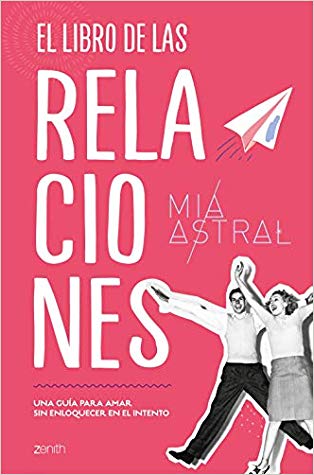
EL LIBRO DE LAS RELACIONES (ASTRAL, MÍA) (Mente, cuerpo y espíritu)

Mía Astral, el fenómeno de las predicciones astrales con más de 2 millones de seguidores, nos ofrece una guía de las estrellas para encender tu fuerza interior y crear relaciones que te hagan brillar de verdad. ¿Por qué siempre elegimos parejas que se parecen entre sí? ¿Cuáles son nuestros patrones, nuestros bloqueos emocionales, nuestros verdaderos deseos y qué tienen que ver los astros en todo ello? En este libro, la astróloga más celebrada de las redes habla sin tapujos sobre lo bueno y lo no tan bueno de las relaciones humanas. Con divertidas anécdotas, lecciones astrológicas y ejercicios de coaching, este libro se convertirá en un manual de consulta para amar mejor y atraer personas que estén cada vez más en línea con lo que queremos ser.