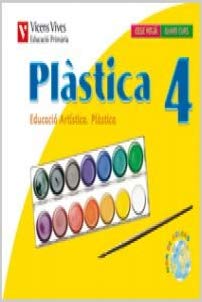
PLÀSTICA 4. CATALUNYA (RUIZ ESPINO, CONRADO / CEBALLOS GUERRERO, ISABEL)

LABORATORIO DE MICROBIOLOGÍA CLÍNICA: FUNDAMENTOS, TÉCNICAS DE ANÁLISIS Y GENÉTICA (MARTÍN MARTÍN, INMACULADA / FERNÁNDEZ GONZÁLEZ, MARÍA ISABEL / DECENA GAMERO, VALME)

HEART (AMICIS, EDMONDO DE/HAPGOOD, ISABEL F.)
HERO MYTHS AND LEGENDS OF THE BRITISH RACE (1910) (EBBUTT, MAUD ISABEL)
HANDS NOT HEARTS (1878) (SCHUSTER, ISABELLA)
GOOSE CREEK FOLKS (BUSH, ISABEL GRAHAM/BUSH, FLORENCE LILIAN)
FROM DARK TO LIGHT (ISABELLA, MURPHY;NATALIA, PEREZ;MURPHY, ISABELLA;PEREZ, NATALIA)
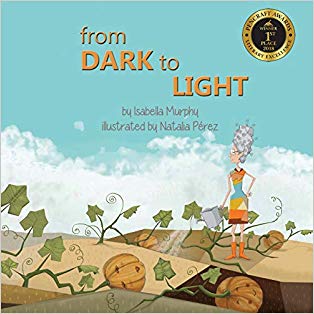 Pumpker, a little boy pumpkin, desires nothing more than to be adopted by a family to make them happy. Planted as a slim white seed along with his sisters, Plumpalicious and Plumpilina, he finds his wish come true as he grows into a pumpkin.
CAPTAIN GINGER’S FAIRY (ANDERSON, ISABEL)
 This work has been selected by scholars as being culturally important and is part of the knowledge base of civilization as we know it.This work is in the public domain in the United States of America, and possibly other nations. Within the United States, you may freely copy and distribute this work, as no entity (individual or corporate) has a copyright on the body of the work.Scholars believe, and we concur, that this work is important enough to be preserved, reproduced, and made generally available to the public. To ensure a quality reading experience, this work has been proofread and republished using a format that seamlessly blends the original graphical elements with text in an easy-to-read typeface.We appreciate your support of the preservation process, and thank you for being an important part of keeping this knowledge alive and relevant.
NERUDA Y LOS ESCRITORES DE LA EDAD DE ORO (LÓPEZ MARTÍNEZ, MARÍA ISABEL)
 Se hace un estudio de la estancia de Neruda en España (desde 1934 hasta la Guerra civil) y las relaciones con Lorca, Alberti, Miguel Hernández , poetas que fomentan su gusto por los escritores de los Siglos de Oro. Durante el resto de su vida evocó este período, que le hizo valorar el mejor legado: la lengua. La segunda parte de la monografía se centra en los Cien sonetos de amor , un libro compuesto en la madurez, cuando se enamora de Matilde Urrutia. Escribe sonetos con huellas de los clásicos, pero con tersura contemporánea.
ISABELLA THOBURN (OLDHAM, WILLIAM FITZJAMES/THOBURN, ISABELLA)
 This work has been selected by scholars as being culturally important and is part of the knowledge base of civilization as we know it.This work is in the public domain in the United States of America, and possibly other nations. Within the United States, you may freely copy and distribute this work, as no entity (individual or corporate) has a copyright on the body of the work.Scholars believe, and we concur, that this work is important enough to be preserved, reproduced, and made generally available to the public. To ensure a quality reading experience, this work has been proofread and republished using a format that seamlessly blends the original graphical elements with text in an easy-to-read typeface.We appreciate your support of the preservation process, and thank you for being an important part of keeping this knowledge alive and relevant.
THE MYSTICAL TRADITIONS AND MASONRY AND MEDIEVAL MYSTICISM (COOPER-OAKLEY, ISABEL)
WHEN WE´RE IN LOVE (JENNINGS, NINA ISABEL)
SLAVES FOR THE ISABELLA (EDWARDS, JULIA)
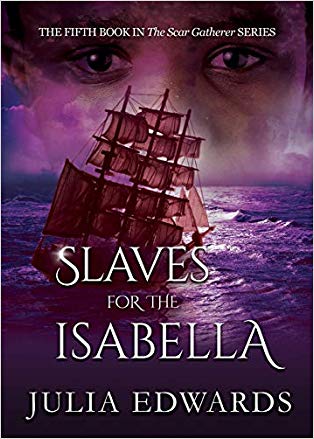 What if freedom wasn't something you could take for granted? What if you had to fight for it?If there's one thing Joe Hopkins knows better than anyone, it's that the past can be very uncomfortable. But life in wealthy Georgian Bristol seems surprisingly civilized. Lucy's house is light and airy, and there are sandwiches and tea with sugar.He soon discovers, however, that this civility is only skin deep: Lucy's family is shockingly involved in slavery.When he meets the African slaves her father has brought back from Jamaica, Joe swiftly finds there are other people in the house who are determined to see them gone, and to profit from their disappearance.Can Joe and Lucy save the slaves from the horrifying fate that threatens them? And can Joe make Lucy see that freedom is what matters most?
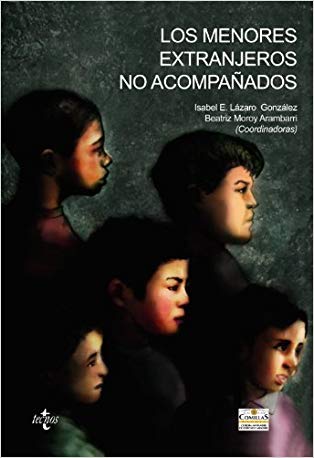
LOS MENORES EXTRANJEROS NO ACOMPAÑADOS (LÁZARO GONZÁLEZ, ISABEL E. / MOROY ARAMBARRI, BEATRIZ / BENLLOCH SANZ, PABLO / CLARO QUINTÁNS, IRENE / DURÁN AYAGO, ANTONIA / DURÁN RUIZ, FRANCISCO JAVIER / GARCÍA BLANCO, PEDRO PABLO / MARTÍNE)
THE HAWAIIAN ARCHIPELAGO (BIRD, ISABELLA LUCY)
 This work has been selected by scholars as being culturally important and is part of the knowledge base of civilization as we know it.This work is in the public domain in the United States of America, and possibly other nations. Within the United States, you may freely copy and distribute this work, as no entity (individual or corporate) has a copyright on the body of the work.Scholars believe, and we concur, that this work is important enough to be preserved, reproduced, and made generally available to the public. To ensure a quality reading experience, this work has been proofread and republished using a format that seamlessly blends the original graphical elements with text in an easy-to-read typeface.We appreciate your support of the preservation process, and thank you for being an important part of keeping this knowledge alive and relevant.