PERE COMPTE, ARQUITECTO (COMPTE, PERE)


LA NATURALEZA DEL EMBALAJE . LA NATURALEZA COMO FUENTE DE INNOVACIÓN PARA EMPAQUES (F. GRIJALVA, SERGIO)
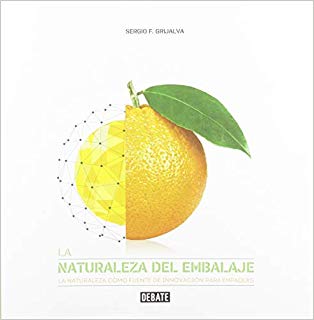 La naturaleza como fuente de innovación para empaques. Explorar la naturaleza del embalaje significa observar de cerca cómo la vida envuelve, protege, contiene, preserva e incluso transporta y comunica sus palpitantes creaciones, con la intención de descubrir de qué manera ha resuelto los problemas y aciertos que enfrenta el diseño industrial de embalajes: ¿qué geometrías permiten aprovechar mejor el espacio y el material? ¿Qué lecciones encierran los huevos de gallina o las conchas de los moluscos a propósito de protección a impactos? ¿Qué nos enseñan las envolturas de productos vegetales como las cebollas o las mazorcas de maíz acerca de la conservación de la hidratación? O bien, ¿qué podemos aprender del hecho de que en la naturaleza no exista el desperdicio, pues todos sus diseños son íntegramente biodegradables y vuelven a nutrir el ciclo del que proceden? Todas estas y muchas otras cuestiones afines son abordadas y respondidas en este libro, a lo largo de la envolvente inmersión en el mundo de los embalajes naturales que se despliega entre sus páginas: un exuberante recorrido a través de pieles, cáscaras, pétalos, cortezas, conchas, caparazones y muchos otros ejemplos de superficies organizadas, cuyo examen atento depara hallazgos sorprendentes e inspiradores que abren a su vez vías sugerentes e inexploradas para la innovación y el perfeccionamiento de los envases, envolturas y empaques diseñados por el hombre.
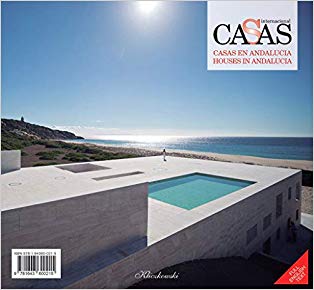
CASAS INTERNACIONAL Nº 173. CASAS EN ANDALUCÍA (VV.AA.)
DISEÑO DE RESIDENCIAS PARA ESTUDIANTES . ARQUITECTURA ACTUAL (BROTO, CARLES)

GREEN BUILDING ILLUSTRATED (CHING, FRANCIS D. K.)
 In the tradition of the classic Building Construction Illustrated, Francis D.K. Ching and Ian M. Shapiro offer a graphical presentation to the theory, practices, and complexities of sustainable design using an approach that proceeds methodically. From the outside to the inside of a building, they cover all aspects of sustainability, providing a framework and detailed strategies to design buildings that are substantively green. The book begins with an explanation of why we need to build green, the theories behind it and current rating systems before moving on to a comprehensive discussion of vital topics. These topics include site selection, passive design using building shape, water conservation, ventilation and air quality, heating and cooling, minimum-impact materials, and much more. Explains the fundamental issues of sustainable design and construction in a beautifully illustrated format Illustrated by legendary author, architect, and draftsman Francis D.K. Ching, with text by recognized engineer and researcher Ian M. Shapiro Ideal for architects, engineers, and builders, as well as students in these fields Sure to be the standard reference on the subject for students, professionals, and anyone interested in sustainable design and construction of buildings, Green Building Illustrated is an informative, practical, and graphically beautiful resource.
ARTE DE AMÉRICA PRECOLONIAL (KUBLER, GEORGE)

THE ARCHITECTURE AND THE GARDENS OF THE SAN DIEGO EXPOSITION (WINSLOW, CARLETON MONROE/STEIN, CLARENCE S./TAYLOR, HAROLD A.)
 This work has been selected by scholars as being culturally important and is part of the knowledge base of civilization as we know it.This work is in the public domain in the United States of America, and possibly other nations. Within the United States, you may freely copy and distribute this work, as no entity (individual or corporate) has a copyright on the body of the work.Scholars believe, and we concur, that this work is important enough to be preserved, reproduced, and made generally available to the public. To ensure a quality reading experience, this work has been proofread and republished using a format that seamlessly blends the original graphical elements with text in an easy-to-read typeface.We appreciate your support of the preservation process, and thank you for being an important part of keeping this knowledge alive and relevant.
IGLESIA ROMÁNICA DE CAMBRE, LA (VILA DA VILA, MARGARITA)
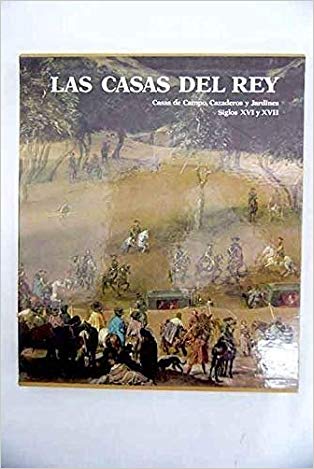
CASAS DE REY . CASAS DE CAMPO, CAZADEROS Y JARDINES. SIGLOS X V I Y (CHECA CREMADES, FERNANDO / MORÁN TURINA, JOSÉ MIGUEL)
CITY PLANNING (ROBINSON, CHARLES MULFORD)
 This work has been selected by scholars as being culturally important and is part of the knowledge base of civilization as we know it.This work is in the public domain in the United States of America, and possibly other nations. Within the United States, you may freely copy and distribute this work, as no entity (individual or corporate) has a copyright on the body of the work.Scholars believe, and we concur, that this work is important enough to be preserved, reproduced, and made generally available to the public. To ensure a quality reading experience, this work has been proofread and republished using a format that seamlessly blends the original graphical elements with text in an easy-to-read typeface.We appreciate your support of the preservation process, and thank you for being an important part of keeping this knowledge alive and relevant.
EL CRECIMIENTO DE LAS CIUDADES (LEWIS, DAVID … [ET AL.])
COMMON-SENSE STAIR BUILDING AND HANDRAILING (HODGSON, FREDERICK THOMAS/RADFORD ARCHITECTURAL CO., CHICAGO)
 This work has been selected by scholars as being culturally important and is part of the knowledge base of civilization as we know it.This work is in the public domain in the United States of America, and possibly other nations. Within the United States, you may freely copy and distribute this work, as no entity (individual or corporate) has a copyright on the body of the work.Scholars believe, and we concur, that this work is important enough to be preserved, reproduced, and made generally available to the public. To ensure a quality reading experience, this work has been proofread and republished using a format that seamlessly blends the original graphical elements with text in an easy-to-read typeface.We appreciate your support of the preservation process, and thank you for being an important part of keeping this knowledge alive and relevant.
JOSÉ MANUEL GALLEGO (GALLEGO, J. MANUEL)

THE CHEMISTRY OF THE MATERIALS OF ENGINEERING (SEXTON, ALEXANDER HUMBOLDT)
 This work has been selected by scholars as being culturally important and is part of the knowledge base of civilization as we know it.This work is in the public domain in the United States of America, and possibly other nations. Within the United States, you may freely copy and distribute this work, as no entity (individual or corporate) has a copyright on the body of the work.Scholars believe, and we concur, that this work is important enough to be preserved, reproduced, and made generally available to the public. To ensure a quality reading experience, this work has been proofread and republished using a format that seamlessly blends the original graphical elements with text in an easy-to-read typeface.We appreciate your support of the preservation process, and thank you for being an important part of keeping this knowledge alive and relevant.
