OXFORD READ AND DISCOVER. 3-6. TEACHER’S HANDBOOK (SIN ESPECIFICAR)

RICKY THE ROBOT A BIG BOOK (SIMMONS, NAOMI ANDREA)
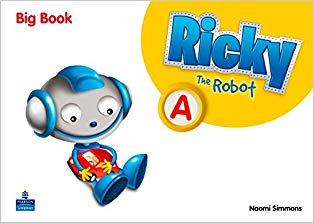 Ricky the Robot is the new course that really reflects young children?s tastes and interests. The course meets the needs of any pre-primary teacher. In its components and configuration, Ricky the Robot offers all the best features of quality pre-primary education material combined with the best English Language Teaching methodology, contents and design, especially the wide range of audiovisual and multimedia support material for teachers. Ricky is an attractive robot designed in 3-D who will lead children into a world of adventures where they learn English in all sorts of different contexts. Pupils can revisit the stories at home with their parents in 3D versions of the reader on their own Ricky-ROM. www.pearsonELT.es/ricky
PRACTICAL ENGLISH USAGE: DIAGNOSTIC TEST PACK (BAKER, DAVID)
OXFORD BOOKWORMS 3. CUP OF KINDNESS
ROOM 13. READING GUIDE (WAINES, JULIA)
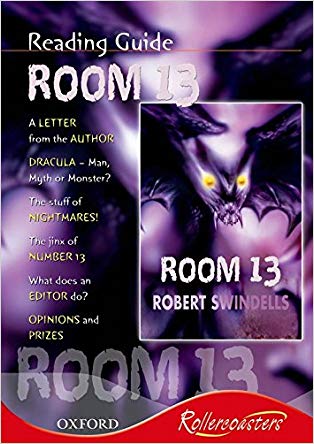 A magazine-feel guide for the student to accompany and inform their reading of the novel of the same title.
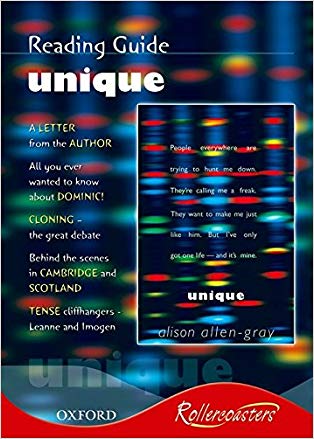
UNIQUE. READING GUIDE (FIELD-MEARS, HELEN)
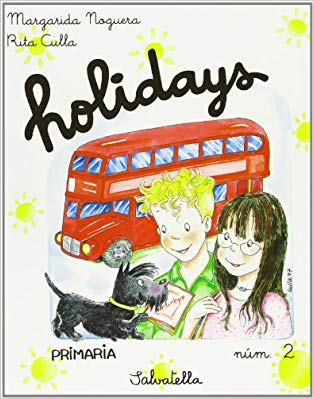
HOLIDAYS 2 (NOGUERA PUJOL, MARGARIDA)
STORIES FOR REPRODUCTION 2. ELEMENTARY (HILL, L.A.)
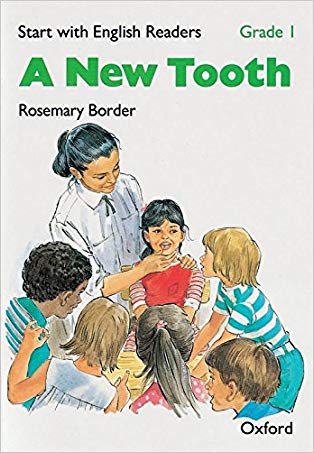
START WITH ENGLISH READERS 1. A NEW TOOTH (BORDER, ROSEMARY)
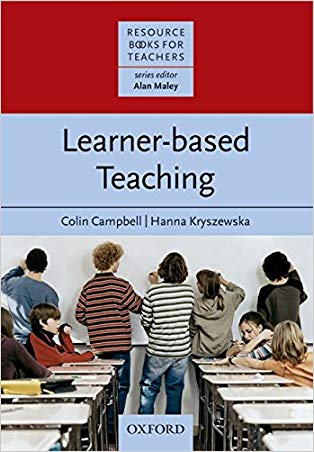
LEARNER-BASED TEACHING (CAMPBELL, COLIN)
TEACHING BUSINESS ENGLISH (JOHNSON, CHRISTINE / ELLIS, MARK)
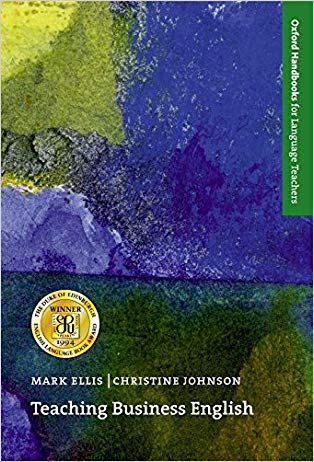 The authors of Teaching Business English believe that teachers need to follow a practical approach, and that learners need to be placed at the heart of the teaching process. In the case of job-experienced learners (from companies or other organizations), this means using their personal experience both as a source of meaningful content and as a way of motivating them to learn. For pre-experience learners who don't yet have this hands-on experience, the teacher needs to draw on their interest in, and general knowledge of, the world of work. The book is divided into three parts. Part One is especially useful if you are new to Business English teaching or are thinking of moving into it. Parts Two and Three will provide ideas for practising and experienced teachers, as well as newcomers. - Part One gives a general background to the subject. It includes definitions of Business English, descriptions of different categories of learner, and of the types of institution where Busines
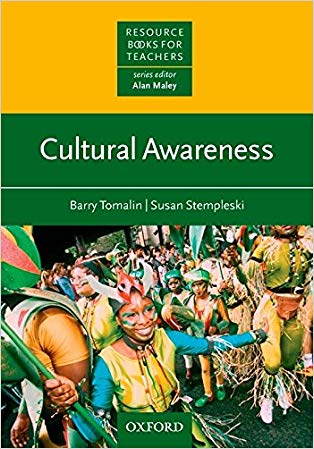
CULTURAL AWARENESS (TOMALIN, BARRY / STEMPLESKI, SUSAN)
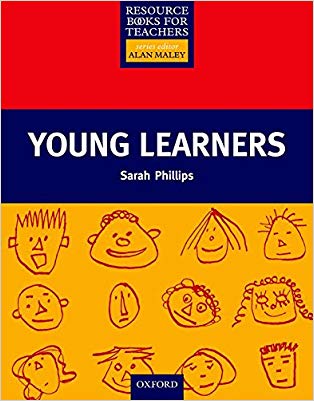
YOUNG LEARNERS (PHILLIPS, SARAH)
THE CONCISE OXFORD DICTIONARY OF ENGLISH ETYMOLOGY (HOAD, T.F.)
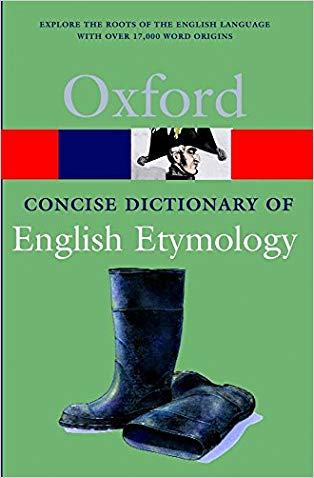 Where did the words bungalow and assassin derive? What did nice mean in the Middle Ages? How were adder, anger, and umpire originally spelt? The answers can be found in this essential companion to any popular dictionary. With over 17,000 entries, this is the most authoritative and comprehensive guide to word origins available in paperback. Based on The Oxford Dictionary of English Etymology, the principal authority on the origin and development of English words, it contains a wealth of information about our language and its history.
PRACTICAL STYLISTICS (WIDDOWSON, H.G.)
 This book takes a particular perspective on the nature of poetry and follows this through to proposals for teaching. It focuses attention on how the use of language in short poems can set up conditions for individual interpretation and the representation of reality in ways other than those which are established by normal social convention. This view of poetry, it is argued, leads to a recognition of its essential role in education, and provides a set of principles for an approach to teaching it which integrates the study of language and literature.