LA EDUCACIÓN COMO TAREA HUMANIZADORA


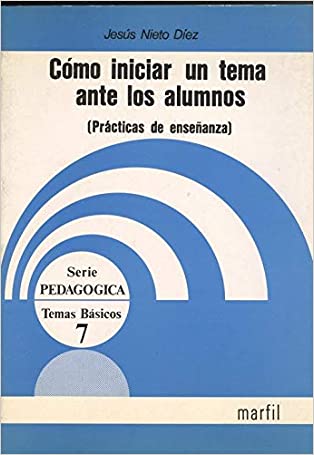
COMO INICIAR UN TEMA ANTE LOS ALUMNOS
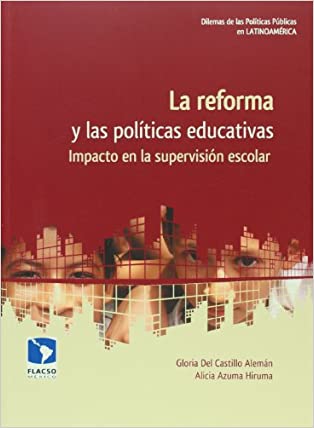
LA REFORMA Y LAS POLÍTICAS EDUCATIVAS. IMPACTO EN LA SUPERVISIÓN ESCOLAR.
MADIBASES. DIDACTICA Y MATEMATICA DE LOS SISTEMAS DE NUMERACION

LA PERSPECTIVA HISTÓRICA EN EL APRENDIZAJE DE LAS CIENCIAS

TRASTORNOS DEL LENGUAJE ORAL
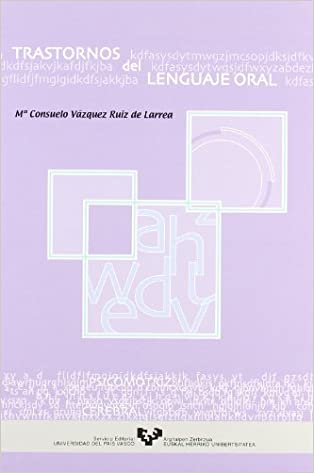 Los problemas sobre trastornos del lenguaje oral representan una preocupación para los profesionales relacionados con la enseñanza. Este libro está pensado específicamente para docentes y estudiantes de Magisterio, así como para psicopedagogos y logopedas que trabajan en rehabilitación e intervención en el lenguaje oral, y pretende conectar la teoría científica y la práctica real, haciendo referencia a casos de escolares que presentan una gran originalidad. La obra es un esfuerzo interprofesional de profesores, médicos, ortorrinolaringólogos, foniatras y psicólogos de las universidades de Salamanca y del País Vasco.
INTEGRACIÓ DE LA PREVENCIÓ A LA DOCÈNCIA: FUSTA I MOBLE
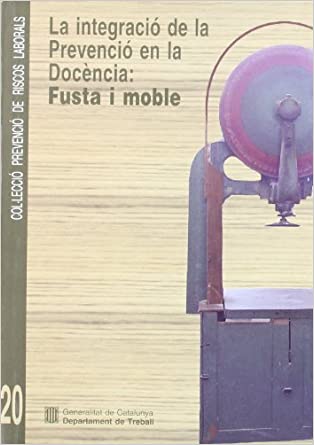 La finalitat d'aquesta publicació és que el professor de la família professional de fusta i moble pugui disposar d'una guia que li permeti incorporar unes norme s de treball segures en totes les activitats que realitza el seu alumnat, per ta l d'introduir la filosofia de la prevenció laboral en els futurs professionals. La primera part del llibre conté els conceptes generals sobre seguretat i salut laboral i el marc legislatiu vigent. La segona part recull les situacions de ris c més freqüents en les activitats laborals relacionades amb la fabricació de mob les.
THE TEACHING OF CHEMISTRY AND PHYSICS IN THE SECONDARY SCHOOL
 This work has been selected by scholars as being culturally important and is part of the knowledge base of civilization as we know it.This work is in the public domain in the United States of America, and possibly other nations. Within the United States, you may freely copy and distribute this work, as no entity (individual or corporate) has a copyright on the body of the work.Scholars believe, and we concur, that this work is important enough to be preserved, reproduced, and made generally available to the public. To ensure a quality reading experience, this work has been proofread and republished using a format that seamlessly blends the original graphical elements with text in an easy-to-read typeface.We appreciate your support of the preservation process, and thank you for being an important part of keeping this knowledge alive and relevant.
THE PROGRESSIVE ROAD TO READING, BOOK 3
 This work has been selected by scholars as being culturally important and is part of the knowledge base of civilization as we know it.This work is in the public domain in the United States of America, and possibly other nations. Within the United States, you may freely copy and distribute this work, as no entity (individual or corporate) has a copyright on the body of the work.Scholars believe, and we concur, that this work is important enough to be preserved, reproduced, and made generally available to the public. To ensure a quality reading experience, this work has been proofread and republished using a format that seamlessly blends the original graphical elements with text in an easy-to-read typeface.We appreciate your support of the preservation process, and thank you for being an important part of keeping this knowledge alive and relevant.
PAQUETE AHORRO ADMINISTRATIVO DEL ESTADO (TURNO LIBRE). AHORRO DE 84 ? (INCLUYE TEMARIOS 1, 2 Y 3; TEST Y SUPUESTOS PRÁCTICOS; Y ACCESO A CAMPUS ORO)

STEPS TO LITERACY INITIAL – TEACHER’S MANUAL
 A comprehensive guide to using the workbooks. Each activity is explained and examples and answers provided. There is guidance on which level to start with and how to provide sufficient reinforcement. Suitable for specialists and non-specialists. The courses are highly structured, multi-sensory and suitable for learners of all ages. Excellent for learners with processing difficulties such as dyslexia and for learners who just need more structure and enforcement. Learners show an average improvement of 3 years in reading and spelling over a 1 year period of tuition at 1 hour per week. Workbooks actively develop processing skills involved in literacy, including phonological awareness, visual discrimination, visual and auditory memory and tracking.
THE KINDERGARTEN AND THE MONTESSORI METHOD
 This work has been selected by scholars as being culturally important and is part of the knowledge base of civilization as we know it.This work is in the public domain in the United States of America, and possibly other nations. Within the United States, you may freely copy and distribute this work, as no entity (individual or corporate) has a copyright on the body of the work.Scholars believe, and we concur, that this work is important enough to be preserved, reproduced, and made generally available to the public. To ensure a quality reading experience, this work has been proofread and republished using a format that seamlessly blends the original graphical elements with text in an easy-to-read typeface.We appreciate your support of the preservation process, and thank you for being an important part of keeping this knowledge alive and relevant.
LA ARGENTINA EN LA ESCUELA
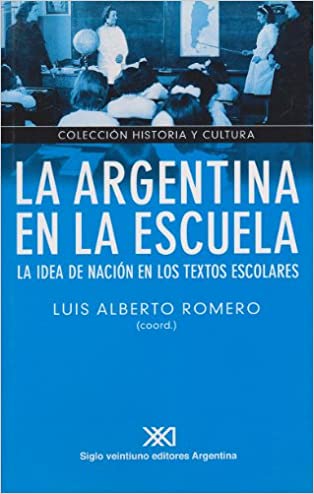 Un mapa, un conjunto de efemérides patrióticas, una referencia a la Constitución, sintetizan la imagen de la Argentina que se transmite en los libros de texto escolares. Ellos nos inculcaron la idea de que la nación existió desde siempre, incluso antes del 25 de Mayo. Una nación enraizada en un territorio que ya era argentino antes de que llegaran los españoles. Una nación habitada por argentinos, que sobre todo eran buenos patriotas. La geografía, la historia y el civismo respaldaban con su saber este conjunto de nociones, adecuadas para fortalecer la identidad nacional. Las definiciones de la argentinidad -una, homogénea y unánime- se vincularon con el pasado heroico, con la defensa del territorio y con las Fuerzas Armadas, a las que la Iglesia Católica confirió una tarea misional. Excluir a los malos argentinos, a los no católicos, a los disidentes, a los "comunistas", a los "subversivos" fue la consecuencia natural de esa concepción integral de la nacionalidad, que los libros de texto asimilaron, difundieron y arraigaron en el sentido común. Desde 1983 las cosas han cambiado, aunque no totalmente. Este libro estudia los libros de texto del último medio siglo y examina el sentido común subyacente, para ayudar en la tarea de construcción de una identidad nacional acorde con los valores de la democracia y la libertad que la sociedad argentina ha adoptado.
SOCIETY GYMNASTICS AND VOICE CULTURE
 This work has been selected by scholars as being culturally important and is part of the knowledge base of civilization as we know it.This work is in the public domain in the United States of America, and possibly other nations. Within the United States, you may freely copy and distribute this work, as no entity (individual or corporate) has a copyright on the body of the work.Scholars believe, and we concur, that this work is important enough to be preserved, reproduced, and made generally available to the public. To ensure a quality reading experience, this work has been proofread and republished using a format that seamlessly blends the original graphical elements with text in an easy-to-read typeface.We appreciate your support of the preservation process, and thank you for being an important part of keeping this knowledge alive and relevant.
