GUÍA PARA PADRES DE NIÑOS CON ALTAS CAPACIDADES (DE SUPERVIVENCIA) (BERCHÉ CRUZ, JAVIER)


IRAKUR GIDA 94-95 (CALLEJA, SEVE / ERDOZAIN, AURELIO)

COMPETENCIAS DEL CELADOR EN EL ÁREA QUIRUGIRCA. ASANPIS (ANIA PALACIO, JOSE MANUEL / GONZALEZ RABANAL, JOSE MANUEL / PIÑA RUIZ, DOLORES / SILVA GARCIA, LUIS / GARDON FERNANDEZ, ALVARO / ESTEVEZ FERNANDEZ, MIGUEL ANGEL / GIL RAMOS, JUAN MANUEL)

LOS OTROS EDUCADORES (ALCAZAR CANO, JOSE ANTONIO / JAVALOYES SOTO, JUANJO)

ENFERMEROS/AS DEL CONSORCI HOSPITAL GENERAL UNIVERSITARI DE VALENCIA. TEMARIO. BLOQUE 1.A.CONOCIMIENTOS GENERALES: NORMATIVA, ORGANIZACIÓN Y GESTIÓN (GOMEZ MARTINEZ, DOMINGO / GONZALEZ RABANAL, JOSE MANUEL / CABALLERO OLIVER, ANTONIO / MUÑOZ ARTEAGA, DOMINGO / BUENO MARISCAL, CLAUDIO / FERNANDEZ DE LA FUENTE, NICOLAS / RICO CORRAL, MIGUEL A. / MUÀ)

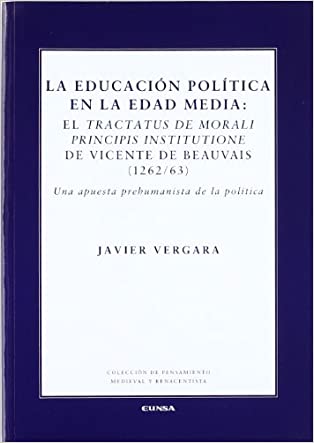
LA EDUCACIÓN POLÍTICA EN LA EDAD MEDIA . EL TRACTATUS DE MORALI PRINCIPIS INSTITUIONE (VERGARA CIORDIA, JAVIER)
CUESTIÓN DE IMAGEN . EL SENTIDO DE LA EDUCACIÓN PLÁSTICA EN LA ESCUELA (SPRAVKIN, MARIANA / ALEMANY, GUSTAVO)
 >En las últimas décadas, los seres humanos hemos asistido a una ampliación de las fronteras de lo posible. Rápidos e irreversibles, los cambios avanzan en el mundo y sin pedir permiso se cuelan en nuestra cotidianidad. Todos los ámbitos de la vida humana han sido, de una u otra manera, atravesados por situaciones de cambio: la familia, el mundo del trabajo, la tecnología, las artes y las ciencias, concepciones, valores, hábitos... Inmersa en una situación de este tipo, la escuela afronta el desafío de una transformación que la obliga a repensar sus aportes, preservando los saberes y experiencias que considera valiosos, al mismo tiempo que generando espacios para nuevos campos del conocimiento y considerando nuevos modos de encarar los ya existentes. Todas las disciplinas que integran el currículo escolar se encuentran inmersas en sus propios cuestionamientos y reflexiones, cada una de ellas atendiendo sus características y particularidades..., y la educación plástica no permanece ajena a esta situación. Es por ello que preguntarse los para qué, los qué y los cómo de su enseñanza, lejos de ser una redundancia, propone resignificar objetivos, contenidos y metodologías de trabajo a la luz de las demandas que impone una realidad en profundo estado de cambio. El presente trabajo propone algunas reflexionesy aportes en torno a los alcances de la educación plástica en el contexto actual de la educación formal.
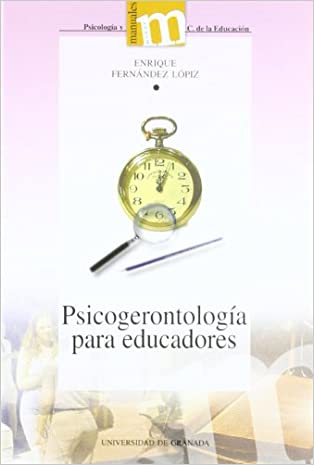
PSICOGERONTOLOGÍA PARA EDUCADORES (FERNÁNDEZ LÓPIZ, E)
LAS APPS COMO RECURSO PARA TRABAJAR EN EDUCACIÓN INFANTIL (SALCEDO CHINCHILLA, MARIA ANTONIA)

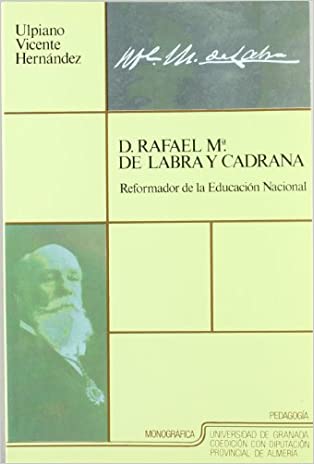
D. RAFAEL Mª DE LABRA Y CADRANA . REFORMADOR DE LA EDUCACIÓN NA (VICENTE HERNÁNDEZ, U)
PADRES Y ADOLESCENTES (BACA BALDOMERO, ENRIQUE)

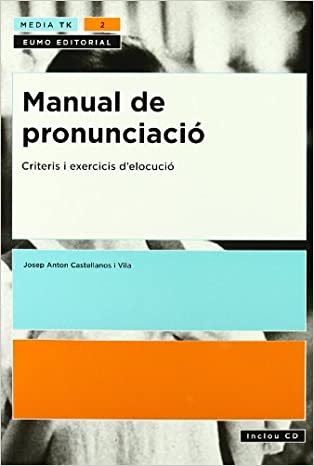
MANUAL DE PRONUNCIACIÓ (CASTELLANOS VILA, JOSEP A.)
AUXILIAR DE ENFERMERÍA DEL SERVICIO EXTREMEÑO DE SALUD (SES). SIMULACRO DE EXAMEN EDICIÓN COLECTIVOS (EDITORES, 7 / ANIA PALACIO, JOSÉ MANUEL / GONZÁLEZ RABANAL, JOSÉ MANUEL / SILVA GARCÍA, LUIS / SILVA GARCÍA, CARMEN / GARCÍA BERMEJO, Mª JOSÉ / RODRÍGUEZ SUÁREZ, LUIS FERNANDO / TORRES FONSE)

DIPLOMADO EN ENFERMERÍA DEL SERVICIO ANDALUZ DE SALUD. TEMARIO ESPECÍFICO VOLUMEN 2 EDICIÓN COLECTIVOS (EDITORES, 7 / CLAVIJO GAMERO, ROCÍO / GÓMEZ MARTÍNEZ, DOMINGO / JUNQUERA VELASCO, CARMEN ROSA / PIÑA RUIZ, DOLORES / SILVA GARCÍA, LUIS / SILVA GARCÍA, CARMEN / GARCÍA BERMEJO, Mª JOSÉ / GIL)

PEDAGOGIC INNOVATIONS WITH THE USE OF ICTS. FROM WIDER VISIONS AND POLICY REFORMS TO SCHOOL CULTURE (KOLLIAS, ANDREAS / KIKIS, KATHY)
 The overall purpose of this work is to contribute to the strengthening of links, collaboration and the development of shared understanding and action among teachers, researchers, administrators and policy makers in the design, implementation and diffusion of pedagogic innovations with the use of new information and communication technologies (ICTs). The ideas that will be discussed in this book emerged during our involvement in a number of research and development (R&D) projects on ICTs-related innovations in the field of education and training and our collaboration with research institutes, universities, schools, teachers and pupils from several EU countries. What motivated us most to elaborate on these ideas was our concern about what happens after an R&D project in schools has been formally completed. Will the involved schools, teachers and pupils continue and extend the ICTs-related innovative practices developed during the project? Will other schools, local and regional school administrators get to know them and, more importantly, will they integrate them in their own school development plans? How the outcomes of ICTs-related innovations can inform decision making regarding the integration of ICTs in schools? By take a constructive route, the book tries to identify and investigate factors, conditions and processes that may play a potentially crucial role in the conductivity (or, apparently, the lack of conductivity) of schools to ICTs-related pedagogic innovations.