RACONS DE CALELLA DE PALAFRUGELL . 100 DIBUIXOS I 20 SONETS (MARCÉ I SANABRA, FRANCESC)
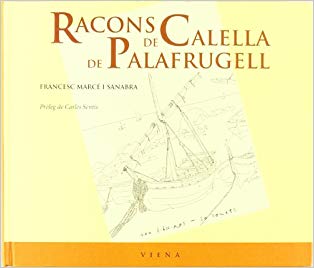 Francesc Marcé i Sanabra va néixer a l'Hospitalet de Llobregat l'any 1921. Ha publicat diversos llibres de poesia i d'investigació històrica i nombrosos articles en diferents revistes. Va muntar un taller de ceràmica amb dos amics. Fa més de vint anys que l'atzar el portà a Calella de Palafrugell. Se n'enamorà i començà a dibuixar-la. I encara no ha parat.
CICATRICES (ÁLVAREZ, BEATRIZ)
 La vida está llena de experiencias. Cada una de ellas con mil historias que vivir y que contar. El amor, es una de esas experiencias que te hacen sentir diferentes emociones. Y no hay cosas más bonita que percibir una mirada y una sonrisa enamorada, que te haga sentirte correspondida y viva. Supongo que eso es el verdadero amor.

MAMUT (VIRGILI CARBONELL, ENRIC)
 Amb les mans a les butxaquesi els peus dintre les sabatescaminava lentament,tot el cos dintre el vestiti la cara a la intempèrie.
WELCOME TO MY WORLD OF POETRY (JONES, DANTE)
 My poetry is about life and it?s the highs the lows what makes us tick.? What we all go through on any giving day with relationships heartache and pain, love and inspirational. The words are what I see from when I open my eyes till I close them.
WE LIVE WITH THE DEPARTED (YUVARAJAN, DUSHYANDHAN MARS;YUVARAJAN, DUSHYANDHAN MARS;YUVARAJAN, DUSHYANDHAN MARS)
 ?We Live With the Departed? is a collection of poetic works, following the tradition of?recognizing?what has past.?They are a?homage?to the works?of some of the greatest poets of our time?who have died. The poems within are conversations with a selection of their works, allowing the sound of their voices?to be heard once again.
CRADLES (VALIANI, SALIMAH)
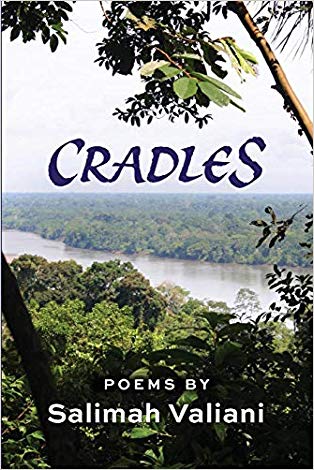 Cradles is a collection on the nature(s) and nurturing that cradle us. Womb, the first section, is the first cradle, both ?nature? and ?nurture?, under-acknowledged and often unmentioned. Beyond the grand and intricate physical womb of individuals, there are collective wombs that incubate on yet grander and greater scales. In Land(s), the second section, the cradles we typically identify as our ?origins.? but as the Cradle of Humankind in present day South Africa teaches, the many lands of today are interlaced in concealed ways and originated in a single, little understood place. Tides are explored in the third section: the physical migrations and cycles of time that shape us. Tides can shift, upset and remake the nurturing of cradles; they also cradle us in cycles of wreckage. Wind, the final section, sets us free of places and times of origin. This detachment can bring freedom, a sense of loss/lostness, and the many things in between. The freedom/loss/lostness spiral whirls with the wind and transforms. in surrendering we can alter its pace to our needs and desires.