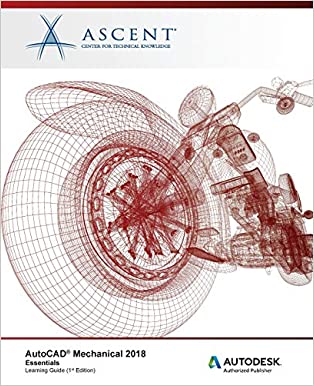
AUTOCAD MECHANICAL 2018 ESSENTIALS: AUTODESK AUTHORIZED PUBLISHER (Sin clasificar)





 The fight against cartels is now one of the top priorities of all competition authorities who are very active and innovating to improve enforcement and deterrence. Within the EU, one of these innovations has been the EU cartel settlement procedure, first established in 2008. In short, it gives the parties the possibility to close a cartel case quicker and receive a fine within a range accepted by each party with a 10% reduction, in exchange of recognizing their infringement and their liability and cooperating with the Commission to expedite and finalise the case. The paper analyses key issues and draw lessons from the almost ten years of practice.
 History in terms of its writing tends to record a clear division between the victorious and the vanquished of any conflict. Yet sometimes apparent winners and losers are determined by a subjective interpretation of the events that have both preceded and occurred during such conflicts, whether regional or global. This is often the case in what seem to be never-ending armed struggles, caught as they are between ongoing social and political tensions that prevent the sense of any clearly-defined victor, even years after these began. The Northern Irish conflict is an example of this. Since the second half of the twentieth century, leading up to the approach of the new millennium, civil war was an ongoing threat between Catholic and Protestant communities. More than thirty years on, a developing but still frail peace is still in the process of being established within the region. Central to that process is consensus. Through a retrospective analysis, this study focuses particularly on the Troubles in Northern Ireland, the factors underlying and supporting its peace processes, and how the multiple old readings of history can be set aside between perceived enemies in order to achieve a common goal. Furthermore, the study goes on to scrutinize the lessons that may be extrapolated from this particular case study to inform our understanding of other conflicts, such as the one inspired in the demands of Basque nationalism.