¿Cómo debe ser el verdadero político católico? (Abortion) Nadie se arrepiente de traer un hijo al mundo. Es una decisión siempre acertada (Aborto) Anécdota sobre el aborto y estampa para rezar por la vida (Abortion) «Nosotros matamos, usted entierra» (Anécdotas de niños) Educación Católica sobre género: distinguir entre ideología y estudios (Adolescente) ¿A quién votar? (Abortion) Argumentos simples en contra de la eutanasia (Consejos del millón) Citas citables de Chesterton (Citas citables) 5 Errores del Laicismo y Mundología (Abortion) ¿Qué dice la Iglesia sobre «Las técnicas de ayuda a la fertilidad»? (¿Qué dice la Iglesia?) ¿Cuándo empieza la vida humana? (Abortion) ¿Conviene educar al niño en alguna religión? (Contribuciones varias) La evolución de la educación (Anécdotas de humor) Carácter sagrado de la vida (Abortion) Fuertes convicciones religiosas: Fe y Fanatismo (Fanatismo) ¿Qué dice la Iglesia sobre «La utilización de material biológico humano de origen ilícito»? (¿Qué dice la Iglesia?) ¿Qué dice la Iglesia sobre «Los intentos de hibridación»? (¿Qué dice la Iglesia?) ¿Qué dice la Iglesia sobre «El uso terapéutico de las células troncales»? (¿Qué dice la Iglesia?) ¿Qué dice la Iglesia sobre «La clonación humana»? (¿Qué dice la Iglesia?) ¿Qué dice la Iglesia sobre «La terapia génica»? (¿Qué dice la Iglesia?) ¿Qué dice la Iglesia sobre «El diagnóstico preimplantatorio»? (¿Qué dice la Iglesia?) ¿Qué dice la Iglesia sobre «La reducción embrionaria»? (¿Qué dice la Iglesia?) ¿Qué dice la Iglesia sobre «El congelamiento de óvulos»? (¿Qué dice la Iglesia?) ¿Qué dice la Iglesia sobre «El congelamiento de embriones»? (¿Qué dice la Iglesia?) ¿Qué dice la Iglesia sobre «La Inyección intracitoplasmática de espermatozoides»? (¿Qué dice la Iglesia?) Defunciones según la causa de muerte más frecuente (año 2020) (Limonada) ¿Cada año hay más o menos divorcios en España? (Limonada) Responsabilidad maternal y paternal (Abortion) LIBERTAD RELIGIOSA EN LA SEGUNDA REPÚBLICA ESPAÑOLA (Ancianos) EL Drama del ABORTO.- Avergonzados de la Humanidad… (Abortion) Derechos del bebé (Abortion) Mónica eligió la vida con convicción (Abortion) Con la Ley Celaá el estado elegirá por ti (Acción ciudadana) Los políticos están para servir al pueblo y no para servirse del pueblo (Anécdotas de la vida misma) Señales de tráfico machistas (Actualidad) El Milagro de los Corporales de Daroca (Ateo) 150 Razones por las que soy Católico (Abortion) El bufón Stanisław Gąska, el oso y el rey (Abortion) ¿Hasta dónde puede llegar la imbecilidad? (Acción ciudadana) Dolores Aveiro se planteó la posibilidad de abortar a Cristiano Ronaldo (Abortion) La importancia de tomar apuntes (Acción ciudadana) Mujeres graduadas vs hombres graduados en educación superior en España (Educación) Paginación de entradas 1 2 … 7 Siguientes
Nadie se arrepiente de traer un hijo al mundo. Es una decisión siempre acertada (Aborto) Anécdota sobre el aborto y estampa para rezar por la vida (Abortion) «Nosotros matamos, usted entierra» (Anécdotas de niños) Educación Católica sobre género: distinguir entre ideología y estudios (Adolescente) ¿A quién votar? (Abortion) Argumentos simples en contra de la eutanasia (Consejos del millón) Citas citables de Chesterton (Citas citables) 5 Errores del Laicismo y Mundología (Abortion) ¿Qué dice la Iglesia sobre «Las técnicas de ayuda a la fertilidad»? (¿Qué dice la Iglesia?) ¿Cuándo empieza la vida humana? (Abortion) ¿Conviene educar al niño en alguna religión? (Contribuciones varias) La evolución de la educación (Anécdotas de humor) Carácter sagrado de la vida (Abortion) Fuertes convicciones religiosas: Fe y Fanatismo (Fanatismo) ¿Qué dice la Iglesia sobre «La utilización de material biológico humano de origen ilícito»? (¿Qué dice la Iglesia?) ¿Qué dice la Iglesia sobre «Los intentos de hibridación»? (¿Qué dice la Iglesia?) ¿Qué dice la Iglesia sobre «El uso terapéutico de las células troncales»? (¿Qué dice la Iglesia?) ¿Qué dice la Iglesia sobre «La clonación humana»? (¿Qué dice la Iglesia?) ¿Qué dice la Iglesia sobre «La terapia génica»? (¿Qué dice la Iglesia?) ¿Qué dice la Iglesia sobre «El diagnóstico preimplantatorio»? (¿Qué dice la Iglesia?) ¿Qué dice la Iglesia sobre «La reducción embrionaria»? (¿Qué dice la Iglesia?) ¿Qué dice la Iglesia sobre «El congelamiento de óvulos»? (¿Qué dice la Iglesia?) ¿Qué dice la Iglesia sobre «El congelamiento de embriones»? (¿Qué dice la Iglesia?) ¿Qué dice la Iglesia sobre «La Inyección intracitoplasmática de espermatozoides»? (¿Qué dice la Iglesia?) Defunciones según la causa de muerte más frecuente (año 2020) (Limonada) ¿Cada año hay más o menos divorcios en España? (Limonada) Responsabilidad maternal y paternal (Abortion) LIBERTAD RELIGIOSA EN LA SEGUNDA REPÚBLICA ESPAÑOLA (Ancianos) EL Drama del ABORTO.- Avergonzados de la Humanidad… (Abortion) Derechos del bebé (Abortion) Mónica eligió la vida con convicción (Abortion) Con la Ley Celaá el estado elegirá por ti (Acción ciudadana) Los políticos están para servir al pueblo y no para servirse del pueblo (Anécdotas de la vida misma) Señales de tráfico machistas (Actualidad) El Milagro de los Corporales de Daroca (Ateo) 150 Razones por las que soy Católico (Abortion) El bufón Stanisław Gąska, el oso y el rey (Abortion) ¿Hasta dónde puede llegar la imbecilidad? (Acción ciudadana) Dolores Aveiro se planteó la posibilidad de abortar a Cristiano Ronaldo (Abortion) La importancia de tomar apuntes (Acción ciudadana) Mujeres graduadas vs hombres graduados en educación superior en España (Educación) Paginación de entradas 1 2 … 7 Siguientes
Anécdota sobre el aborto y estampa para rezar por la vida (Abortion) «Nosotros matamos, usted entierra» (Anécdotas de niños) Educación Católica sobre género: distinguir entre ideología y estudios (Adolescente) ¿A quién votar? (Abortion) Argumentos simples en contra de la eutanasia (Consejos del millón) Citas citables de Chesterton (Citas citables) 5 Errores del Laicismo y Mundología (Abortion) ¿Qué dice la Iglesia sobre «Las técnicas de ayuda a la fertilidad»? (¿Qué dice la Iglesia?) ¿Cuándo empieza la vida humana? (Abortion) ¿Conviene educar al niño en alguna religión? (Contribuciones varias) La evolución de la educación (Anécdotas de humor) Carácter sagrado de la vida (Abortion) Fuertes convicciones religiosas: Fe y Fanatismo (Fanatismo) ¿Qué dice la Iglesia sobre «La utilización de material biológico humano de origen ilícito»? (¿Qué dice la Iglesia?) ¿Qué dice la Iglesia sobre «Los intentos de hibridación»? (¿Qué dice la Iglesia?) ¿Qué dice la Iglesia sobre «El uso terapéutico de las células troncales»? (¿Qué dice la Iglesia?) ¿Qué dice la Iglesia sobre «La clonación humana»? (¿Qué dice la Iglesia?) ¿Qué dice la Iglesia sobre «La terapia génica»? (¿Qué dice la Iglesia?) ¿Qué dice la Iglesia sobre «El diagnóstico preimplantatorio»? (¿Qué dice la Iglesia?) ¿Qué dice la Iglesia sobre «La reducción embrionaria»? (¿Qué dice la Iglesia?) ¿Qué dice la Iglesia sobre «El congelamiento de óvulos»? (¿Qué dice la Iglesia?) ¿Qué dice la Iglesia sobre «El congelamiento de embriones»? (¿Qué dice la Iglesia?) ¿Qué dice la Iglesia sobre «La Inyección intracitoplasmática de espermatozoides»? (¿Qué dice la Iglesia?) Defunciones según la causa de muerte más frecuente (año 2020) (Limonada) ¿Cada año hay más o menos divorcios en España? (Limonada) Responsabilidad maternal y paternal (Abortion) LIBERTAD RELIGIOSA EN LA SEGUNDA REPÚBLICA ESPAÑOLA (Ancianos) EL Drama del ABORTO.- Avergonzados de la Humanidad… (Abortion) Derechos del bebé (Abortion) Mónica eligió la vida con convicción (Abortion) Con la Ley Celaá el estado elegirá por ti (Acción ciudadana) Los políticos están para servir al pueblo y no para servirse del pueblo (Anécdotas de la vida misma) Señales de tráfico machistas (Actualidad) El Milagro de los Corporales de Daroca (Ateo) 150 Razones por las que soy Católico (Abortion) El bufón Stanisław Gąska, el oso y el rey (Abortion) ¿Hasta dónde puede llegar la imbecilidad? (Acción ciudadana) Dolores Aveiro se planteó la posibilidad de abortar a Cristiano Ronaldo (Abortion) La importancia de tomar apuntes (Acción ciudadana) Mujeres graduadas vs hombres graduados en educación superior en España (Educación) Paginación de entradas 1 2 … 7 Siguientes
«Nosotros matamos, usted entierra» (Anécdotas de niños) Educación Católica sobre género: distinguir entre ideología y estudios (Adolescente) ¿A quién votar? (Abortion) Argumentos simples en contra de la eutanasia (Consejos del millón) Citas citables de Chesterton (Citas citables) 5 Errores del Laicismo y Mundología (Abortion) ¿Qué dice la Iglesia sobre «Las técnicas de ayuda a la fertilidad»? (¿Qué dice la Iglesia?) ¿Cuándo empieza la vida humana? (Abortion) ¿Conviene educar al niño en alguna religión? (Contribuciones varias) La evolución de la educación (Anécdotas de humor) Carácter sagrado de la vida (Abortion) Fuertes convicciones religiosas: Fe y Fanatismo (Fanatismo) ¿Qué dice la Iglesia sobre «La utilización de material biológico humano de origen ilícito»? (¿Qué dice la Iglesia?) ¿Qué dice la Iglesia sobre «Los intentos de hibridación»? (¿Qué dice la Iglesia?) ¿Qué dice la Iglesia sobre «El uso terapéutico de las células troncales»? (¿Qué dice la Iglesia?) ¿Qué dice la Iglesia sobre «La clonación humana»? (¿Qué dice la Iglesia?) ¿Qué dice la Iglesia sobre «La terapia génica»? (¿Qué dice la Iglesia?) ¿Qué dice la Iglesia sobre «El diagnóstico preimplantatorio»? (¿Qué dice la Iglesia?) ¿Qué dice la Iglesia sobre «La reducción embrionaria»? (¿Qué dice la Iglesia?) ¿Qué dice la Iglesia sobre «El congelamiento de óvulos»? (¿Qué dice la Iglesia?) ¿Qué dice la Iglesia sobre «El congelamiento de embriones»? (¿Qué dice la Iglesia?) ¿Qué dice la Iglesia sobre «La Inyección intracitoplasmática de espermatozoides»? (¿Qué dice la Iglesia?) Defunciones según la causa de muerte más frecuente (año 2020) (Limonada) ¿Cada año hay más o menos divorcios en España? (Limonada) Responsabilidad maternal y paternal (Abortion) LIBERTAD RELIGIOSA EN LA SEGUNDA REPÚBLICA ESPAÑOLA (Ancianos) EL Drama del ABORTO.- Avergonzados de la Humanidad… (Abortion) Derechos del bebé (Abortion) Mónica eligió la vida con convicción (Abortion) Con la Ley Celaá el estado elegirá por ti (Acción ciudadana) Los políticos están para servir al pueblo y no para servirse del pueblo (Anécdotas de la vida misma) Señales de tráfico machistas (Actualidad) El Milagro de los Corporales de Daroca (Ateo) 150 Razones por las que soy Católico (Abortion) El bufón Stanisław Gąska, el oso y el rey (Abortion) ¿Hasta dónde puede llegar la imbecilidad? (Acción ciudadana) Dolores Aveiro se planteó la posibilidad de abortar a Cristiano Ronaldo (Abortion) La importancia de tomar apuntes (Acción ciudadana) Mujeres graduadas vs hombres graduados en educación superior en España (Educación) Paginación de entradas 1 2 … 7 Siguientes
Educación Católica sobre género: distinguir entre ideología y estudios (Adolescente) ¿A quién votar? (Abortion) Argumentos simples en contra de la eutanasia (Consejos del millón) Citas citables de Chesterton (Citas citables) 5 Errores del Laicismo y Mundología (Abortion) ¿Qué dice la Iglesia sobre «Las técnicas de ayuda a la fertilidad»? (¿Qué dice la Iglesia?) ¿Cuándo empieza la vida humana? (Abortion) ¿Conviene educar al niño en alguna religión? (Contribuciones varias) La evolución de la educación (Anécdotas de humor) Carácter sagrado de la vida (Abortion) Fuertes convicciones religiosas: Fe y Fanatismo (Fanatismo) ¿Qué dice la Iglesia sobre «La utilización de material biológico humano de origen ilícito»? (¿Qué dice la Iglesia?) ¿Qué dice la Iglesia sobre «Los intentos de hibridación»? (¿Qué dice la Iglesia?) ¿Qué dice la Iglesia sobre «El uso terapéutico de las células troncales»? (¿Qué dice la Iglesia?) ¿Qué dice la Iglesia sobre «La clonación humana»? (¿Qué dice la Iglesia?) ¿Qué dice la Iglesia sobre «La terapia génica»? (¿Qué dice la Iglesia?) ¿Qué dice la Iglesia sobre «El diagnóstico preimplantatorio»? (¿Qué dice la Iglesia?) ¿Qué dice la Iglesia sobre «La reducción embrionaria»? (¿Qué dice la Iglesia?) ¿Qué dice la Iglesia sobre «El congelamiento de óvulos»? (¿Qué dice la Iglesia?) ¿Qué dice la Iglesia sobre «El congelamiento de embriones»? (¿Qué dice la Iglesia?) ¿Qué dice la Iglesia sobre «La Inyección intracitoplasmática de espermatozoides»? (¿Qué dice la Iglesia?) Defunciones según la causa de muerte más frecuente (año 2020) (Limonada) ¿Cada año hay más o menos divorcios en España? (Limonada) Responsabilidad maternal y paternal (Abortion) LIBERTAD RELIGIOSA EN LA SEGUNDA REPÚBLICA ESPAÑOLA (Ancianos) EL Drama del ABORTO.- Avergonzados de la Humanidad… (Abortion) Derechos del bebé (Abortion) Mónica eligió la vida con convicción (Abortion) Con la Ley Celaá el estado elegirá por ti (Acción ciudadana) Los políticos están para servir al pueblo y no para servirse del pueblo (Anécdotas de la vida misma) Señales de tráfico machistas (Actualidad) El Milagro de los Corporales de Daroca (Ateo) 150 Razones por las que soy Católico (Abortion) El bufón Stanisław Gąska, el oso y el rey (Abortion) ¿Hasta dónde puede llegar la imbecilidad? (Acción ciudadana) Dolores Aveiro se planteó la posibilidad de abortar a Cristiano Ronaldo (Abortion) La importancia de tomar apuntes (Acción ciudadana) Mujeres graduadas vs hombres graduados en educación superior en España (Educación) Paginación de entradas 1 2 … 7 Siguientes
¿A quién votar? (Abortion) Argumentos simples en contra de la eutanasia (Consejos del millón) Citas citables de Chesterton (Citas citables) 5 Errores del Laicismo y Mundología (Abortion) ¿Qué dice la Iglesia sobre «Las técnicas de ayuda a la fertilidad»? (¿Qué dice la Iglesia?) ¿Cuándo empieza la vida humana? (Abortion) ¿Conviene educar al niño en alguna religión? (Contribuciones varias) La evolución de la educación (Anécdotas de humor) Carácter sagrado de la vida (Abortion) Fuertes convicciones religiosas: Fe y Fanatismo (Fanatismo) ¿Qué dice la Iglesia sobre «La utilización de material biológico humano de origen ilícito»? (¿Qué dice la Iglesia?) ¿Qué dice la Iglesia sobre «Los intentos de hibridación»? (¿Qué dice la Iglesia?) ¿Qué dice la Iglesia sobre «El uso terapéutico de las células troncales»? (¿Qué dice la Iglesia?) ¿Qué dice la Iglesia sobre «La clonación humana»? (¿Qué dice la Iglesia?) ¿Qué dice la Iglesia sobre «La terapia génica»? (¿Qué dice la Iglesia?) ¿Qué dice la Iglesia sobre «El diagnóstico preimplantatorio»? (¿Qué dice la Iglesia?) ¿Qué dice la Iglesia sobre «La reducción embrionaria»? (¿Qué dice la Iglesia?) ¿Qué dice la Iglesia sobre «El congelamiento de óvulos»? (¿Qué dice la Iglesia?) ¿Qué dice la Iglesia sobre «El congelamiento de embriones»? (¿Qué dice la Iglesia?) ¿Qué dice la Iglesia sobre «La Inyección intracitoplasmática de espermatozoides»? (¿Qué dice la Iglesia?) Defunciones según la causa de muerte más frecuente (año 2020) (Limonada) ¿Cada año hay más o menos divorcios en España? (Limonada) Responsabilidad maternal y paternal (Abortion) LIBERTAD RELIGIOSA EN LA SEGUNDA REPÚBLICA ESPAÑOLA (Ancianos) EL Drama del ABORTO.- Avergonzados de la Humanidad… (Abortion) Derechos del bebé (Abortion) Mónica eligió la vida con convicción (Abortion) Con la Ley Celaá el estado elegirá por ti (Acción ciudadana) Los políticos están para servir al pueblo y no para servirse del pueblo (Anécdotas de la vida misma) Señales de tráfico machistas (Actualidad) El Milagro de los Corporales de Daroca (Ateo) 150 Razones por las que soy Católico (Abortion) El bufón Stanisław Gąska, el oso y el rey (Abortion) ¿Hasta dónde puede llegar la imbecilidad? (Acción ciudadana) Dolores Aveiro se planteó la posibilidad de abortar a Cristiano Ronaldo (Abortion) La importancia de tomar apuntes (Acción ciudadana) Mujeres graduadas vs hombres graduados en educación superior en España (Educación) Paginación de entradas 1 2 … 7 Siguientes
Argumentos simples en contra de la eutanasia (Consejos del millón) Citas citables de Chesterton (Citas citables) 5 Errores del Laicismo y Mundología (Abortion) ¿Qué dice la Iglesia sobre «Las técnicas de ayuda a la fertilidad»? (¿Qué dice la Iglesia?) ¿Cuándo empieza la vida humana? (Abortion) ¿Conviene educar al niño en alguna religión? (Contribuciones varias) La evolución de la educación (Anécdotas de humor) Carácter sagrado de la vida (Abortion) Fuertes convicciones religiosas: Fe y Fanatismo (Fanatismo) ¿Qué dice la Iglesia sobre «La utilización de material biológico humano de origen ilícito»? (¿Qué dice la Iglesia?) ¿Qué dice la Iglesia sobre «Los intentos de hibridación»? (¿Qué dice la Iglesia?) ¿Qué dice la Iglesia sobre «El uso terapéutico de las células troncales»? (¿Qué dice la Iglesia?) ¿Qué dice la Iglesia sobre «La clonación humana»? (¿Qué dice la Iglesia?) ¿Qué dice la Iglesia sobre «La terapia génica»? (¿Qué dice la Iglesia?) ¿Qué dice la Iglesia sobre «El diagnóstico preimplantatorio»? (¿Qué dice la Iglesia?) ¿Qué dice la Iglesia sobre «La reducción embrionaria»? (¿Qué dice la Iglesia?) ¿Qué dice la Iglesia sobre «El congelamiento de óvulos»? (¿Qué dice la Iglesia?) ¿Qué dice la Iglesia sobre «El congelamiento de embriones»? (¿Qué dice la Iglesia?) ¿Qué dice la Iglesia sobre «La Inyección intracitoplasmática de espermatozoides»? (¿Qué dice la Iglesia?) Defunciones según la causa de muerte más frecuente (año 2020) (Limonada) ¿Cada año hay más o menos divorcios en España? (Limonada) Responsabilidad maternal y paternal (Abortion) LIBERTAD RELIGIOSA EN LA SEGUNDA REPÚBLICA ESPAÑOLA (Ancianos) EL Drama del ABORTO.- Avergonzados de la Humanidad… (Abortion) Derechos del bebé (Abortion) Mónica eligió la vida con convicción (Abortion) Con la Ley Celaá el estado elegirá por ti (Acción ciudadana) Los políticos están para servir al pueblo y no para servirse del pueblo (Anécdotas de la vida misma) Señales de tráfico machistas (Actualidad) El Milagro de los Corporales de Daroca (Ateo) 150 Razones por las que soy Católico (Abortion) El bufón Stanisław Gąska, el oso y el rey (Abortion) ¿Hasta dónde puede llegar la imbecilidad? (Acción ciudadana) Dolores Aveiro se planteó la posibilidad de abortar a Cristiano Ronaldo (Abortion) La importancia de tomar apuntes (Acción ciudadana) Mujeres graduadas vs hombres graduados en educación superior en España (Educación) Paginación de entradas 1 2 … 7 Siguientes
Citas citables de Chesterton (Citas citables) 5 Errores del Laicismo y Mundología (Abortion) ¿Qué dice la Iglesia sobre «Las técnicas de ayuda a la fertilidad»? (¿Qué dice la Iglesia?) ¿Cuándo empieza la vida humana? (Abortion) ¿Conviene educar al niño en alguna religión? (Contribuciones varias) La evolución de la educación (Anécdotas de humor) Carácter sagrado de la vida (Abortion) Fuertes convicciones religiosas: Fe y Fanatismo (Fanatismo) ¿Qué dice la Iglesia sobre «La utilización de material biológico humano de origen ilícito»? (¿Qué dice la Iglesia?) ¿Qué dice la Iglesia sobre «Los intentos de hibridación»? (¿Qué dice la Iglesia?) ¿Qué dice la Iglesia sobre «El uso terapéutico de las células troncales»? (¿Qué dice la Iglesia?) ¿Qué dice la Iglesia sobre «La clonación humana»? (¿Qué dice la Iglesia?) ¿Qué dice la Iglesia sobre «La terapia génica»? (¿Qué dice la Iglesia?) ¿Qué dice la Iglesia sobre «El diagnóstico preimplantatorio»? (¿Qué dice la Iglesia?) ¿Qué dice la Iglesia sobre «La reducción embrionaria»? (¿Qué dice la Iglesia?) ¿Qué dice la Iglesia sobre «El congelamiento de óvulos»? (¿Qué dice la Iglesia?) ¿Qué dice la Iglesia sobre «El congelamiento de embriones»? (¿Qué dice la Iglesia?) ¿Qué dice la Iglesia sobre «La Inyección intracitoplasmática de espermatozoides»? (¿Qué dice la Iglesia?) Defunciones según la causa de muerte más frecuente (año 2020) (Limonada) ¿Cada año hay más o menos divorcios en España? (Limonada) Responsabilidad maternal y paternal (Abortion) LIBERTAD RELIGIOSA EN LA SEGUNDA REPÚBLICA ESPAÑOLA (Ancianos) EL Drama del ABORTO.- Avergonzados de la Humanidad… (Abortion) Derechos del bebé (Abortion) Mónica eligió la vida con convicción (Abortion) Con la Ley Celaá el estado elegirá por ti (Acción ciudadana) Los políticos están para servir al pueblo y no para servirse del pueblo (Anécdotas de la vida misma) Señales de tráfico machistas (Actualidad) El Milagro de los Corporales de Daroca (Ateo) 150 Razones por las que soy Católico (Abortion) El bufón Stanisław Gąska, el oso y el rey (Abortion) ¿Hasta dónde puede llegar la imbecilidad? (Acción ciudadana) Dolores Aveiro se planteó la posibilidad de abortar a Cristiano Ronaldo (Abortion) La importancia de tomar apuntes (Acción ciudadana) Mujeres graduadas vs hombres graduados en educación superior en España (Educación) Paginación de entradas 1 2 … 7 Siguientes
5 Errores del Laicismo y Mundología (Abortion) ¿Qué dice la Iglesia sobre «Las técnicas de ayuda a la fertilidad»? (¿Qué dice la Iglesia?) ¿Cuándo empieza la vida humana? (Abortion) ¿Conviene educar al niño en alguna religión? (Contribuciones varias) La evolución de la educación (Anécdotas de humor) Carácter sagrado de la vida (Abortion) Fuertes convicciones religiosas: Fe y Fanatismo (Fanatismo) ¿Qué dice la Iglesia sobre «La utilización de material biológico humano de origen ilícito»? (¿Qué dice la Iglesia?) ¿Qué dice la Iglesia sobre «Los intentos de hibridación»? (¿Qué dice la Iglesia?) ¿Qué dice la Iglesia sobre «El uso terapéutico de las células troncales»? (¿Qué dice la Iglesia?) ¿Qué dice la Iglesia sobre «La clonación humana»? (¿Qué dice la Iglesia?) ¿Qué dice la Iglesia sobre «La terapia génica»? (¿Qué dice la Iglesia?) ¿Qué dice la Iglesia sobre «El diagnóstico preimplantatorio»? (¿Qué dice la Iglesia?) ¿Qué dice la Iglesia sobre «La reducción embrionaria»? (¿Qué dice la Iglesia?) ¿Qué dice la Iglesia sobre «El congelamiento de óvulos»? (¿Qué dice la Iglesia?) ¿Qué dice la Iglesia sobre «El congelamiento de embriones»? (¿Qué dice la Iglesia?) ¿Qué dice la Iglesia sobre «La Inyección intracitoplasmática de espermatozoides»? (¿Qué dice la Iglesia?) Defunciones según la causa de muerte más frecuente (año 2020) (Limonada) ¿Cada año hay más o menos divorcios en España? (Limonada) Responsabilidad maternal y paternal (Abortion) LIBERTAD RELIGIOSA EN LA SEGUNDA REPÚBLICA ESPAÑOLA (Ancianos) EL Drama del ABORTO.- Avergonzados de la Humanidad… (Abortion) Derechos del bebé (Abortion) Mónica eligió la vida con convicción (Abortion) Con la Ley Celaá el estado elegirá por ti (Acción ciudadana) Los políticos están para servir al pueblo y no para servirse del pueblo (Anécdotas de la vida misma) Señales de tráfico machistas (Actualidad) El Milagro de los Corporales de Daroca (Ateo) 150 Razones por las que soy Católico (Abortion) El bufón Stanisław Gąska, el oso y el rey (Abortion) ¿Hasta dónde puede llegar la imbecilidad? (Acción ciudadana) Dolores Aveiro se planteó la posibilidad de abortar a Cristiano Ronaldo (Abortion) La importancia de tomar apuntes (Acción ciudadana) Mujeres graduadas vs hombres graduados en educación superior en España (Educación) Paginación de entradas 1 2 … 7 Siguientes
¿Qué dice la Iglesia sobre «Las técnicas de ayuda a la fertilidad»? (¿Qué dice la Iglesia?) ¿Cuándo empieza la vida humana? (Abortion) ¿Conviene educar al niño en alguna religión? (Contribuciones varias) La evolución de la educación (Anécdotas de humor) Carácter sagrado de la vida (Abortion) Fuertes convicciones religiosas: Fe y Fanatismo (Fanatismo) ¿Qué dice la Iglesia sobre «La utilización de material biológico humano de origen ilícito»? (¿Qué dice la Iglesia?) ¿Qué dice la Iglesia sobre «Los intentos de hibridación»? (¿Qué dice la Iglesia?) ¿Qué dice la Iglesia sobre «El uso terapéutico de las células troncales»? (¿Qué dice la Iglesia?) ¿Qué dice la Iglesia sobre «La clonación humana»? (¿Qué dice la Iglesia?) ¿Qué dice la Iglesia sobre «La terapia génica»? (¿Qué dice la Iglesia?) ¿Qué dice la Iglesia sobre «El diagnóstico preimplantatorio»? (¿Qué dice la Iglesia?) ¿Qué dice la Iglesia sobre «La reducción embrionaria»? (¿Qué dice la Iglesia?) ¿Qué dice la Iglesia sobre «El congelamiento de óvulos»? (¿Qué dice la Iglesia?) ¿Qué dice la Iglesia sobre «El congelamiento de embriones»? (¿Qué dice la Iglesia?) ¿Qué dice la Iglesia sobre «La Inyección intracitoplasmática de espermatozoides»? (¿Qué dice la Iglesia?) Defunciones según la causa de muerte más frecuente (año 2020) (Limonada) ¿Cada año hay más o menos divorcios en España? (Limonada) Responsabilidad maternal y paternal (Abortion) LIBERTAD RELIGIOSA EN LA SEGUNDA REPÚBLICA ESPAÑOLA (Ancianos) EL Drama del ABORTO.- Avergonzados de la Humanidad… (Abortion) Derechos del bebé (Abortion) Mónica eligió la vida con convicción (Abortion) Con la Ley Celaá el estado elegirá por ti (Acción ciudadana) Los políticos están para servir al pueblo y no para servirse del pueblo (Anécdotas de la vida misma) Señales de tráfico machistas (Actualidad) El Milagro de los Corporales de Daroca (Ateo) 150 Razones por las que soy Católico (Abortion) El bufón Stanisław Gąska, el oso y el rey (Abortion) ¿Hasta dónde puede llegar la imbecilidad? (Acción ciudadana) Dolores Aveiro se planteó la posibilidad de abortar a Cristiano Ronaldo (Abortion) La importancia de tomar apuntes (Acción ciudadana) Mujeres graduadas vs hombres graduados en educación superior en España (Educación) Paginación de entradas 1 2 … 7 Siguientes
¿Cuándo empieza la vida humana? (Abortion) ¿Conviene educar al niño en alguna religión? (Contribuciones varias) La evolución de la educación (Anécdotas de humor) Carácter sagrado de la vida (Abortion) Fuertes convicciones religiosas: Fe y Fanatismo (Fanatismo) ¿Qué dice la Iglesia sobre «La utilización de material biológico humano de origen ilícito»? (¿Qué dice la Iglesia?) ¿Qué dice la Iglesia sobre «Los intentos de hibridación»? (¿Qué dice la Iglesia?) ¿Qué dice la Iglesia sobre «El uso terapéutico de las células troncales»? (¿Qué dice la Iglesia?) ¿Qué dice la Iglesia sobre «La clonación humana»? (¿Qué dice la Iglesia?) ¿Qué dice la Iglesia sobre «La terapia génica»? (¿Qué dice la Iglesia?) ¿Qué dice la Iglesia sobre «El diagnóstico preimplantatorio»? (¿Qué dice la Iglesia?) ¿Qué dice la Iglesia sobre «La reducción embrionaria»? (¿Qué dice la Iglesia?) ¿Qué dice la Iglesia sobre «El congelamiento de óvulos»? (¿Qué dice la Iglesia?) ¿Qué dice la Iglesia sobre «El congelamiento de embriones»? (¿Qué dice la Iglesia?) ¿Qué dice la Iglesia sobre «La Inyección intracitoplasmática de espermatozoides»? (¿Qué dice la Iglesia?) Defunciones según la causa de muerte más frecuente (año 2020) (Limonada) ¿Cada año hay más o menos divorcios en España? (Limonada) Responsabilidad maternal y paternal (Abortion) LIBERTAD RELIGIOSA EN LA SEGUNDA REPÚBLICA ESPAÑOLA (Ancianos) EL Drama del ABORTO.- Avergonzados de la Humanidad… (Abortion) Derechos del bebé (Abortion) Mónica eligió la vida con convicción (Abortion) Con la Ley Celaá el estado elegirá por ti (Acción ciudadana) Los políticos están para servir al pueblo y no para servirse del pueblo (Anécdotas de la vida misma) Señales de tráfico machistas (Actualidad) El Milagro de los Corporales de Daroca (Ateo) 150 Razones por las que soy Católico (Abortion) El bufón Stanisław Gąska, el oso y el rey (Abortion) ¿Hasta dónde puede llegar la imbecilidad? (Acción ciudadana) Dolores Aveiro se planteó la posibilidad de abortar a Cristiano Ronaldo (Abortion) La importancia de tomar apuntes (Acción ciudadana) Mujeres graduadas vs hombres graduados en educación superior en España (Educación) Paginación de entradas 1 2 … 7 Siguientes
¿Conviene educar al niño en alguna religión? (Contribuciones varias) La evolución de la educación (Anécdotas de humor) Carácter sagrado de la vida (Abortion) Fuertes convicciones religiosas: Fe y Fanatismo (Fanatismo) ¿Qué dice la Iglesia sobre «La utilización de material biológico humano de origen ilícito»? (¿Qué dice la Iglesia?) ¿Qué dice la Iglesia sobre «Los intentos de hibridación»? (¿Qué dice la Iglesia?) ¿Qué dice la Iglesia sobre «El uso terapéutico de las células troncales»? (¿Qué dice la Iglesia?) ¿Qué dice la Iglesia sobre «La clonación humana»? (¿Qué dice la Iglesia?) ¿Qué dice la Iglesia sobre «La terapia génica»? (¿Qué dice la Iglesia?) ¿Qué dice la Iglesia sobre «El diagnóstico preimplantatorio»? (¿Qué dice la Iglesia?) ¿Qué dice la Iglesia sobre «La reducción embrionaria»? (¿Qué dice la Iglesia?) ¿Qué dice la Iglesia sobre «El congelamiento de óvulos»? (¿Qué dice la Iglesia?) ¿Qué dice la Iglesia sobre «El congelamiento de embriones»? (¿Qué dice la Iglesia?) ¿Qué dice la Iglesia sobre «La Inyección intracitoplasmática de espermatozoides»? (¿Qué dice la Iglesia?) Defunciones según la causa de muerte más frecuente (año 2020) (Limonada) ¿Cada año hay más o menos divorcios en España? (Limonada) Responsabilidad maternal y paternal (Abortion) LIBERTAD RELIGIOSA EN LA SEGUNDA REPÚBLICA ESPAÑOLA (Ancianos) EL Drama del ABORTO.- Avergonzados de la Humanidad… (Abortion) Derechos del bebé (Abortion) Mónica eligió la vida con convicción (Abortion) Con la Ley Celaá el estado elegirá por ti (Acción ciudadana) Los políticos están para servir al pueblo y no para servirse del pueblo (Anécdotas de la vida misma) Señales de tráfico machistas (Actualidad) El Milagro de los Corporales de Daroca (Ateo) 150 Razones por las que soy Católico (Abortion) El bufón Stanisław Gąska, el oso y el rey (Abortion) ¿Hasta dónde puede llegar la imbecilidad? (Acción ciudadana) Dolores Aveiro se planteó la posibilidad de abortar a Cristiano Ronaldo (Abortion) La importancia de tomar apuntes (Acción ciudadana) Mujeres graduadas vs hombres graduados en educación superior en España (Educación) Paginación de entradas 1 2 … 7 Siguientes
La evolución de la educación (Anécdotas de humor) Carácter sagrado de la vida (Abortion) Fuertes convicciones religiosas: Fe y Fanatismo (Fanatismo) ¿Qué dice la Iglesia sobre «La utilización de material biológico humano de origen ilícito»? (¿Qué dice la Iglesia?) ¿Qué dice la Iglesia sobre «Los intentos de hibridación»? (¿Qué dice la Iglesia?) ¿Qué dice la Iglesia sobre «El uso terapéutico de las células troncales»? (¿Qué dice la Iglesia?) ¿Qué dice la Iglesia sobre «La clonación humana»? (¿Qué dice la Iglesia?) ¿Qué dice la Iglesia sobre «La terapia génica»? (¿Qué dice la Iglesia?) ¿Qué dice la Iglesia sobre «El diagnóstico preimplantatorio»? (¿Qué dice la Iglesia?) ¿Qué dice la Iglesia sobre «La reducción embrionaria»? (¿Qué dice la Iglesia?) ¿Qué dice la Iglesia sobre «El congelamiento de óvulos»? (¿Qué dice la Iglesia?) ¿Qué dice la Iglesia sobre «El congelamiento de embriones»? (¿Qué dice la Iglesia?) ¿Qué dice la Iglesia sobre «La Inyección intracitoplasmática de espermatozoides»? (¿Qué dice la Iglesia?) Defunciones según la causa de muerte más frecuente (año 2020) (Limonada) ¿Cada año hay más o menos divorcios en España? (Limonada) Responsabilidad maternal y paternal (Abortion) LIBERTAD RELIGIOSA EN LA SEGUNDA REPÚBLICA ESPAÑOLA (Ancianos) EL Drama del ABORTO.- Avergonzados de la Humanidad… (Abortion) Derechos del bebé (Abortion) Mónica eligió la vida con convicción (Abortion) Con la Ley Celaá el estado elegirá por ti (Acción ciudadana) Los políticos están para servir al pueblo y no para servirse del pueblo (Anécdotas de la vida misma) Señales de tráfico machistas (Actualidad) El Milagro de los Corporales de Daroca (Ateo) 150 Razones por las que soy Católico (Abortion) El bufón Stanisław Gąska, el oso y el rey (Abortion) ¿Hasta dónde puede llegar la imbecilidad? (Acción ciudadana) Dolores Aveiro se planteó la posibilidad de abortar a Cristiano Ronaldo (Abortion) La importancia de tomar apuntes (Acción ciudadana) Mujeres graduadas vs hombres graduados en educación superior en España (Educación) Paginación de entradas 1 2 … 7 Siguientes
Carácter sagrado de la vida (Abortion) Fuertes convicciones religiosas: Fe y Fanatismo (Fanatismo) ¿Qué dice la Iglesia sobre «La utilización de material biológico humano de origen ilícito»? (¿Qué dice la Iglesia?) ¿Qué dice la Iglesia sobre «Los intentos de hibridación»? (¿Qué dice la Iglesia?) ¿Qué dice la Iglesia sobre «El uso terapéutico de las células troncales»? (¿Qué dice la Iglesia?) ¿Qué dice la Iglesia sobre «La clonación humana»? (¿Qué dice la Iglesia?) ¿Qué dice la Iglesia sobre «La terapia génica»? (¿Qué dice la Iglesia?) ¿Qué dice la Iglesia sobre «El diagnóstico preimplantatorio»? (¿Qué dice la Iglesia?) ¿Qué dice la Iglesia sobre «La reducción embrionaria»? (¿Qué dice la Iglesia?) ¿Qué dice la Iglesia sobre «El congelamiento de óvulos»? (¿Qué dice la Iglesia?) ¿Qué dice la Iglesia sobre «El congelamiento de embriones»? (¿Qué dice la Iglesia?) ¿Qué dice la Iglesia sobre «La Inyección intracitoplasmática de espermatozoides»? (¿Qué dice la Iglesia?) Defunciones según la causa de muerte más frecuente (año 2020) (Limonada) ¿Cada año hay más o menos divorcios en España? (Limonada) Responsabilidad maternal y paternal (Abortion) LIBERTAD RELIGIOSA EN LA SEGUNDA REPÚBLICA ESPAÑOLA (Ancianos) EL Drama del ABORTO.- Avergonzados de la Humanidad… (Abortion) Derechos del bebé (Abortion) Mónica eligió la vida con convicción (Abortion) Con la Ley Celaá el estado elegirá por ti (Acción ciudadana) Los políticos están para servir al pueblo y no para servirse del pueblo (Anécdotas de la vida misma) Señales de tráfico machistas (Actualidad) El Milagro de los Corporales de Daroca (Ateo) 150 Razones por las que soy Católico (Abortion) El bufón Stanisław Gąska, el oso y el rey (Abortion) ¿Hasta dónde puede llegar la imbecilidad? (Acción ciudadana) Dolores Aveiro se planteó la posibilidad de abortar a Cristiano Ronaldo (Abortion) La importancia de tomar apuntes (Acción ciudadana) Mujeres graduadas vs hombres graduados en educación superior en España (Educación) Paginación de entradas 1 2 … 7 Siguientes
Fuertes convicciones religiosas: Fe y Fanatismo (Fanatismo) ¿Qué dice la Iglesia sobre «La utilización de material biológico humano de origen ilícito»? (¿Qué dice la Iglesia?) ¿Qué dice la Iglesia sobre «Los intentos de hibridación»? (¿Qué dice la Iglesia?) ¿Qué dice la Iglesia sobre «El uso terapéutico de las células troncales»? (¿Qué dice la Iglesia?) ¿Qué dice la Iglesia sobre «La clonación humana»? (¿Qué dice la Iglesia?) ¿Qué dice la Iglesia sobre «La terapia génica»? (¿Qué dice la Iglesia?) ¿Qué dice la Iglesia sobre «El diagnóstico preimplantatorio»? (¿Qué dice la Iglesia?) ¿Qué dice la Iglesia sobre «La reducción embrionaria»? (¿Qué dice la Iglesia?) ¿Qué dice la Iglesia sobre «El congelamiento de óvulos»? (¿Qué dice la Iglesia?) ¿Qué dice la Iglesia sobre «El congelamiento de embriones»? (¿Qué dice la Iglesia?) ¿Qué dice la Iglesia sobre «La Inyección intracitoplasmática de espermatozoides»? (¿Qué dice la Iglesia?) Defunciones según la causa de muerte más frecuente (año 2020) (Limonada) ¿Cada año hay más o menos divorcios en España? (Limonada) Responsabilidad maternal y paternal (Abortion) LIBERTAD RELIGIOSA EN LA SEGUNDA REPÚBLICA ESPAÑOLA (Ancianos) EL Drama del ABORTO.- Avergonzados de la Humanidad… (Abortion) Derechos del bebé (Abortion) Mónica eligió la vida con convicción (Abortion) Con la Ley Celaá el estado elegirá por ti (Acción ciudadana) Los políticos están para servir al pueblo y no para servirse del pueblo (Anécdotas de la vida misma) Señales de tráfico machistas (Actualidad) El Milagro de los Corporales de Daroca (Ateo) 150 Razones por las que soy Católico (Abortion) El bufón Stanisław Gąska, el oso y el rey (Abortion) ¿Hasta dónde puede llegar la imbecilidad? (Acción ciudadana) Dolores Aveiro se planteó la posibilidad de abortar a Cristiano Ronaldo (Abortion) La importancia de tomar apuntes (Acción ciudadana) Mujeres graduadas vs hombres graduados en educación superior en España (Educación) Paginación de entradas 1 2 … 7 Siguientes
¿Qué dice la Iglesia sobre «La utilización de material biológico humano de origen ilícito»? (¿Qué dice la Iglesia?) ¿Qué dice la Iglesia sobre «Los intentos de hibridación»? (¿Qué dice la Iglesia?) ¿Qué dice la Iglesia sobre «El uso terapéutico de las células troncales»? (¿Qué dice la Iglesia?) ¿Qué dice la Iglesia sobre «La clonación humana»? (¿Qué dice la Iglesia?) ¿Qué dice la Iglesia sobre «La terapia génica»? (¿Qué dice la Iglesia?) ¿Qué dice la Iglesia sobre «El diagnóstico preimplantatorio»? (¿Qué dice la Iglesia?) ¿Qué dice la Iglesia sobre «La reducción embrionaria»? (¿Qué dice la Iglesia?) ¿Qué dice la Iglesia sobre «El congelamiento de óvulos»? (¿Qué dice la Iglesia?) ¿Qué dice la Iglesia sobre «El congelamiento de embriones»? (¿Qué dice la Iglesia?) ¿Qué dice la Iglesia sobre «La Inyección intracitoplasmática de espermatozoides»? (¿Qué dice la Iglesia?) Defunciones según la causa de muerte más frecuente (año 2020) (Limonada) ¿Cada año hay más o menos divorcios en España? (Limonada) Responsabilidad maternal y paternal (Abortion) LIBERTAD RELIGIOSA EN LA SEGUNDA REPÚBLICA ESPAÑOLA (Ancianos) EL Drama del ABORTO.- Avergonzados de la Humanidad… (Abortion) Derechos del bebé (Abortion) Mónica eligió la vida con convicción (Abortion) Con la Ley Celaá el estado elegirá por ti (Acción ciudadana) Los políticos están para servir al pueblo y no para servirse del pueblo (Anécdotas de la vida misma) Señales de tráfico machistas (Actualidad) El Milagro de los Corporales de Daroca (Ateo) 150 Razones por las que soy Católico (Abortion) El bufón Stanisław Gąska, el oso y el rey (Abortion) ¿Hasta dónde puede llegar la imbecilidad? (Acción ciudadana) Dolores Aveiro se planteó la posibilidad de abortar a Cristiano Ronaldo (Abortion) La importancia de tomar apuntes (Acción ciudadana) Mujeres graduadas vs hombres graduados en educación superior en España (Educación) Paginación de entradas 1 2 … 7 Siguientes
¿Qué dice la Iglesia sobre «Los intentos de hibridación»? (¿Qué dice la Iglesia?) ¿Qué dice la Iglesia sobre «El uso terapéutico de las células troncales»? (¿Qué dice la Iglesia?) ¿Qué dice la Iglesia sobre «La clonación humana»? (¿Qué dice la Iglesia?) ¿Qué dice la Iglesia sobre «La terapia génica»? (¿Qué dice la Iglesia?) ¿Qué dice la Iglesia sobre «El diagnóstico preimplantatorio»? (¿Qué dice la Iglesia?) ¿Qué dice la Iglesia sobre «La reducción embrionaria»? (¿Qué dice la Iglesia?) ¿Qué dice la Iglesia sobre «El congelamiento de óvulos»? (¿Qué dice la Iglesia?) ¿Qué dice la Iglesia sobre «El congelamiento de embriones»? (¿Qué dice la Iglesia?) ¿Qué dice la Iglesia sobre «La Inyección intracitoplasmática de espermatozoides»? (¿Qué dice la Iglesia?) Defunciones según la causa de muerte más frecuente (año 2020) (Limonada) ¿Cada año hay más o menos divorcios en España? (Limonada) Responsabilidad maternal y paternal (Abortion) LIBERTAD RELIGIOSA EN LA SEGUNDA REPÚBLICA ESPAÑOLA (Ancianos) EL Drama del ABORTO.- Avergonzados de la Humanidad… (Abortion) Derechos del bebé (Abortion) Mónica eligió la vida con convicción (Abortion) Con la Ley Celaá el estado elegirá por ti (Acción ciudadana) Los políticos están para servir al pueblo y no para servirse del pueblo (Anécdotas de la vida misma) Señales de tráfico machistas (Actualidad) El Milagro de los Corporales de Daroca (Ateo) 150 Razones por las que soy Católico (Abortion) El bufón Stanisław Gąska, el oso y el rey (Abortion) ¿Hasta dónde puede llegar la imbecilidad? (Acción ciudadana) Dolores Aveiro se planteó la posibilidad de abortar a Cristiano Ronaldo (Abortion) La importancia de tomar apuntes (Acción ciudadana) Mujeres graduadas vs hombres graduados en educación superior en España (Educación) Paginación de entradas 1 2 … 7 Siguientes
¿Qué dice la Iglesia sobre «El uso terapéutico de las células troncales»? (¿Qué dice la Iglesia?) ¿Qué dice la Iglesia sobre «La clonación humana»? (¿Qué dice la Iglesia?) ¿Qué dice la Iglesia sobre «La terapia génica»? (¿Qué dice la Iglesia?) ¿Qué dice la Iglesia sobre «El diagnóstico preimplantatorio»? (¿Qué dice la Iglesia?) ¿Qué dice la Iglesia sobre «La reducción embrionaria»? (¿Qué dice la Iglesia?) ¿Qué dice la Iglesia sobre «El congelamiento de óvulos»? (¿Qué dice la Iglesia?) ¿Qué dice la Iglesia sobre «El congelamiento de embriones»? (¿Qué dice la Iglesia?) ¿Qué dice la Iglesia sobre «La Inyección intracitoplasmática de espermatozoides»? (¿Qué dice la Iglesia?) Defunciones según la causa de muerte más frecuente (año 2020) (Limonada) ¿Cada año hay más o menos divorcios en España? (Limonada) Responsabilidad maternal y paternal (Abortion) LIBERTAD RELIGIOSA EN LA SEGUNDA REPÚBLICA ESPAÑOLA (Ancianos) EL Drama del ABORTO.- Avergonzados de la Humanidad… (Abortion) Derechos del bebé (Abortion) Mónica eligió la vida con convicción (Abortion) Con la Ley Celaá el estado elegirá por ti (Acción ciudadana) Los políticos están para servir al pueblo y no para servirse del pueblo (Anécdotas de la vida misma) Señales de tráfico machistas (Actualidad) El Milagro de los Corporales de Daroca (Ateo) 150 Razones por las que soy Católico (Abortion) El bufón Stanisław Gąska, el oso y el rey (Abortion) ¿Hasta dónde puede llegar la imbecilidad? (Acción ciudadana) Dolores Aveiro se planteó la posibilidad de abortar a Cristiano Ronaldo (Abortion) La importancia de tomar apuntes (Acción ciudadana) Mujeres graduadas vs hombres graduados en educación superior en España (Educación) Paginación de entradas 1 2 … 7 Siguientes
¿Qué dice la Iglesia sobre «La clonación humana»? (¿Qué dice la Iglesia?) ¿Qué dice la Iglesia sobre «La terapia génica»? (¿Qué dice la Iglesia?) ¿Qué dice la Iglesia sobre «El diagnóstico preimplantatorio»? (¿Qué dice la Iglesia?) ¿Qué dice la Iglesia sobre «La reducción embrionaria»? (¿Qué dice la Iglesia?) ¿Qué dice la Iglesia sobre «El congelamiento de óvulos»? (¿Qué dice la Iglesia?) ¿Qué dice la Iglesia sobre «El congelamiento de embriones»? (¿Qué dice la Iglesia?) ¿Qué dice la Iglesia sobre «La Inyección intracitoplasmática de espermatozoides»? (¿Qué dice la Iglesia?) Defunciones según la causa de muerte más frecuente (año 2020) (Limonada) ¿Cada año hay más o menos divorcios en España? (Limonada) Responsabilidad maternal y paternal (Abortion) LIBERTAD RELIGIOSA EN LA SEGUNDA REPÚBLICA ESPAÑOLA (Ancianos) EL Drama del ABORTO.- Avergonzados de la Humanidad… (Abortion) Derechos del bebé (Abortion) Mónica eligió la vida con convicción (Abortion) Con la Ley Celaá el estado elegirá por ti (Acción ciudadana) Los políticos están para servir al pueblo y no para servirse del pueblo (Anécdotas de la vida misma) Señales de tráfico machistas (Actualidad) El Milagro de los Corporales de Daroca (Ateo) 150 Razones por las que soy Católico (Abortion) El bufón Stanisław Gąska, el oso y el rey (Abortion) ¿Hasta dónde puede llegar la imbecilidad? (Acción ciudadana) Dolores Aveiro se planteó la posibilidad de abortar a Cristiano Ronaldo (Abortion) La importancia de tomar apuntes (Acción ciudadana) Mujeres graduadas vs hombres graduados en educación superior en España (Educación) Paginación de entradas 1 2 … 7 Siguientes
¿Qué dice la Iglesia sobre «La terapia génica»? (¿Qué dice la Iglesia?) ¿Qué dice la Iglesia sobre «El diagnóstico preimplantatorio»? (¿Qué dice la Iglesia?) ¿Qué dice la Iglesia sobre «La reducción embrionaria»? (¿Qué dice la Iglesia?) ¿Qué dice la Iglesia sobre «El congelamiento de óvulos»? (¿Qué dice la Iglesia?) ¿Qué dice la Iglesia sobre «El congelamiento de embriones»? (¿Qué dice la Iglesia?) ¿Qué dice la Iglesia sobre «La Inyección intracitoplasmática de espermatozoides»? (¿Qué dice la Iglesia?) Defunciones según la causa de muerte más frecuente (año 2020) (Limonada) ¿Cada año hay más o menos divorcios en España? (Limonada) Responsabilidad maternal y paternal (Abortion) LIBERTAD RELIGIOSA EN LA SEGUNDA REPÚBLICA ESPAÑOLA (Ancianos) EL Drama del ABORTO.- Avergonzados de la Humanidad… (Abortion) Derechos del bebé (Abortion) Mónica eligió la vida con convicción (Abortion) Con la Ley Celaá el estado elegirá por ti (Acción ciudadana) Los políticos están para servir al pueblo y no para servirse del pueblo (Anécdotas de la vida misma) Señales de tráfico machistas (Actualidad) El Milagro de los Corporales de Daroca (Ateo) 150 Razones por las que soy Católico (Abortion) El bufón Stanisław Gąska, el oso y el rey (Abortion) ¿Hasta dónde puede llegar la imbecilidad? (Acción ciudadana) Dolores Aveiro se planteó la posibilidad de abortar a Cristiano Ronaldo (Abortion) La importancia de tomar apuntes (Acción ciudadana) Mujeres graduadas vs hombres graduados en educación superior en España (Educación) Paginación de entradas 1 2 … 7 Siguientes
¿Qué dice la Iglesia sobre «El diagnóstico preimplantatorio»? (¿Qué dice la Iglesia?) ¿Qué dice la Iglesia sobre «La reducción embrionaria»? (¿Qué dice la Iglesia?) ¿Qué dice la Iglesia sobre «El congelamiento de óvulos»? (¿Qué dice la Iglesia?) ¿Qué dice la Iglesia sobre «El congelamiento de embriones»? (¿Qué dice la Iglesia?) ¿Qué dice la Iglesia sobre «La Inyección intracitoplasmática de espermatozoides»? (¿Qué dice la Iglesia?) Defunciones según la causa de muerte más frecuente (año 2020) (Limonada) ¿Cada año hay más o menos divorcios en España? (Limonada) Responsabilidad maternal y paternal (Abortion) LIBERTAD RELIGIOSA EN LA SEGUNDA REPÚBLICA ESPAÑOLA (Ancianos) EL Drama del ABORTO.- Avergonzados de la Humanidad… (Abortion) Derechos del bebé (Abortion) Mónica eligió la vida con convicción (Abortion) Con la Ley Celaá el estado elegirá por ti (Acción ciudadana) Los políticos están para servir al pueblo y no para servirse del pueblo (Anécdotas de la vida misma) Señales de tráfico machistas (Actualidad) El Milagro de los Corporales de Daroca (Ateo) 150 Razones por las que soy Católico (Abortion) El bufón Stanisław Gąska, el oso y el rey (Abortion) ¿Hasta dónde puede llegar la imbecilidad? (Acción ciudadana) Dolores Aveiro se planteó la posibilidad de abortar a Cristiano Ronaldo (Abortion) La importancia de tomar apuntes (Acción ciudadana) Mujeres graduadas vs hombres graduados en educación superior en España (Educación) Paginación de entradas 1 2 … 7 Siguientes
¿Qué dice la Iglesia sobre «La reducción embrionaria»? (¿Qué dice la Iglesia?) ¿Qué dice la Iglesia sobre «El congelamiento de óvulos»? (¿Qué dice la Iglesia?) ¿Qué dice la Iglesia sobre «El congelamiento de embriones»? (¿Qué dice la Iglesia?) ¿Qué dice la Iglesia sobre «La Inyección intracitoplasmática de espermatozoides»? (¿Qué dice la Iglesia?) Defunciones según la causa de muerte más frecuente (año 2020) (Limonada) ¿Cada año hay más o menos divorcios en España? (Limonada) Responsabilidad maternal y paternal (Abortion) LIBERTAD RELIGIOSA EN LA SEGUNDA REPÚBLICA ESPAÑOLA (Ancianos) EL Drama del ABORTO.- Avergonzados de la Humanidad… (Abortion) Derechos del bebé (Abortion) Mónica eligió la vida con convicción (Abortion) Con la Ley Celaá el estado elegirá por ti (Acción ciudadana) Los políticos están para servir al pueblo y no para servirse del pueblo (Anécdotas de la vida misma) Señales de tráfico machistas (Actualidad) El Milagro de los Corporales de Daroca (Ateo) 150 Razones por las que soy Católico (Abortion) El bufón Stanisław Gąska, el oso y el rey (Abortion) ¿Hasta dónde puede llegar la imbecilidad? (Acción ciudadana) Dolores Aveiro se planteó la posibilidad de abortar a Cristiano Ronaldo (Abortion) La importancia de tomar apuntes (Acción ciudadana) Mujeres graduadas vs hombres graduados en educación superior en España (Educación) Paginación de entradas 1 2 … 7 Siguientes
¿Qué dice la Iglesia sobre «El congelamiento de óvulos»? (¿Qué dice la Iglesia?) ¿Qué dice la Iglesia sobre «El congelamiento de embriones»? (¿Qué dice la Iglesia?) ¿Qué dice la Iglesia sobre «La Inyección intracitoplasmática de espermatozoides»? (¿Qué dice la Iglesia?) Defunciones según la causa de muerte más frecuente (año 2020) (Limonada) ¿Cada año hay más o menos divorcios en España? (Limonada) Responsabilidad maternal y paternal (Abortion) LIBERTAD RELIGIOSA EN LA SEGUNDA REPÚBLICA ESPAÑOLA (Ancianos) EL Drama del ABORTO.- Avergonzados de la Humanidad… (Abortion) Derechos del bebé (Abortion) Mónica eligió la vida con convicción (Abortion) Con la Ley Celaá el estado elegirá por ti (Acción ciudadana) Los políticos están para servir al pueblo y no para servirse del pueblo (Anécdotas de la vida misma) Señales de tráfico machistas (Actualidad) El Milagro de los Corporales de Daroca (Ateo) 150 Razones por las que soy Católico (Abortion) El bufón Stanisław Gąska, el oso y el rey (Abortion) ¿Hasta dónde puede llegar la imbecilidad? (Acción ciudadana) Dolores Aveiro se planteó la posibilidad de abortar a Cristiano Ronaldo (Abortion) La importancia de tomar apuntes (Acción ciudadana) Mujeres graduadas vs hombres graduados en educación superior en España (Educación) Paginación de entradas 1 2 … 7 Siguientes
¿Qué dice la Iglesia sobre «El congelamiento de embriones»? (¿Qué dice la Iglesia?) ¿Qué dice la Iglesia sobre «La Inyección intracitoplasmática de espermatozoides»? (¿Qué dice la Iglesia?) Defunciones según la causa de muerte más frecuente (año 2020) (Limonada) ¿Cada año hay más o menos divorcios en España? (Limonada) Responsabilidad maternal y paternal (Abortion) LIBERTAD RELIGIOSA EN LA SEGUNDA REPÚBLICA ESPAÑOLA (Ancianos) EL Drama del ABORTO.- Avergonzados de la Humanidad… (Abortion) Derechos del bebé (Abortion) Mónica eligió la vida con convicción (Abortion) Con la Ley Celaá el estado elegirá por ti (Acción ciudadana) Los políticos están para servir al pueblo y no para servirse del pueblo (Anécdotas de la vida misma) Señales de tráfico machistas (Actualidad) El Milagro de los Corporales de Daroca (Ateo) 150 Razones por las que soy Católico (Abortion) El bufón Stanisław Gąska, el oso y el rey (Abortion) ¿Hasta dónde puede llegar la imbecilidad? (Acción ciudadana) Dolores Aveiro se planteó la posibilidad de abortar a Cristiano Ronaldo (Abortion) La importancia de tomar apuntes (Acción ciudadana) Mujeres graduadas vs hombres graduados en educación superior en España (Educación) Paginación de entradas 1 2 … 7 Siguientes
¿Qué dice la Iglesia sobre «La Inyección intracitoplasmática de espermatozoides»? (¿Qué dice la Iglesia?) Defunciones según la causa de muerte más frecuente (año 2020) (Limonada) ¿Cada año hay más o menos divorcios en España? (Limonada) Responsabilidad maternal y paternal (Abortion) LIBERTAD RELIGIOSA EN LA SEGUNDA REPÚBLICA ESPAÑOLA (Ancianos) EL Drama del ABORTO.- Avergonzados de la Humanidad… (Abortion) Derechos del bebé (Abortion) Mónica eligió la vida con convicción (Abortion) Con la Ley Celaá el estado elegirá por ti (Acción ciudadana) Los políticos están para servir al pueblo y no para servirse del pueblo (Anécdotas de la vida misma) Señales de tráfico machistas (Actualidad) El Milagro de los Corporales de Daroca (Ateo) 150 Razones por las que soy Católico (Abortion) El bufón Stanisław Gąska, el oso y el rey (Abortion) ¿Hasta dónde puede llegar la imbecilidad? (Acción ciudadana) Dolores Aveiro se planteó la posibilidad de abortar a Cristiano Ronaldo (Abortion) La importancia de tomar apuntes (Acción ciudadana) Mujeres graduadas vs hombres graduados en educación superior en España (Educación) Paginación de entradas 1 2 … 7 Siguientes
Defunciones según la causa de muerte más frecuente (año 2020) (Limonada) ¿Cada año hay más o menos divorcios en España? (Limonada) Responsabilidad maternal y paternal (Abortion) LIBERTAD RELIGIOSA EN LA SEGUNDA REPÚBLICA ESPAÑOLA (Ancianos) EL Drama del ABORTO.- Avergonzados de la Humanidad… (Abortion) Derechos del bebé (Abortion) Mónica eligió la vida con convicción (Abortion) Con la Ley Celaá el estado elegirá por ti (Acción ciudadana) Los políticos están para servir al pueblo y no para servirse del pueblo (Anécdotas de la vida misma) Señales de tráfico machistas (Actualidad) El Milagro de los Corporales de Daroca (Ateo) 150 Razones por las que soy Católico (Abortion) El bufón Stanisław Gąska, el oso y el rey (Abortion) ¿Hasta dónde puede llegar la imbecilidad? (Acción ciudadana) Dolores Aveiro se planteó la posibilidad de abortar a Cristiano Ronaldo (Abortion) La importancia de tomar apuntes (Acción ciudadana) Mujeres graduadas vs hombres graduados en educación superior en España (Educación) Paginación de entradas 1 2 … 7 Siguientes
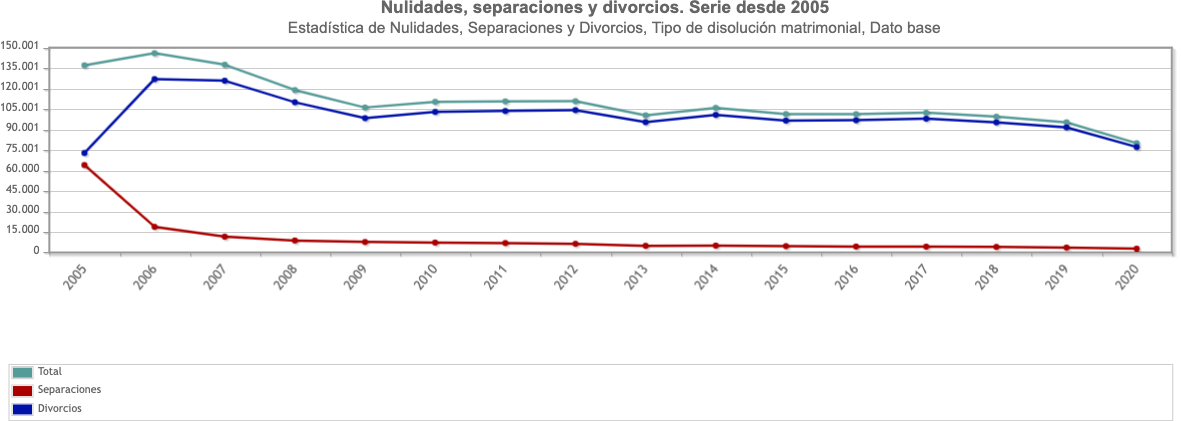
¿Cada año hay más o menos divorcios en España? (Limonada) Responsabilidad maternal y paternal (Abortion) LIBERTAD RELIGIOSA EN LA SEGUNDA REPÚBLICA ESPAÑOLA (Ancianos) EL Drama del ABORTO.- Avergonzados de la Humanidad… (Abortion) Derechos del bebé (Abortion) Mónica eligió la vida con convicción (Abortion) Con la Ley Celaá el estado elegirá por ti (Acción ciudadana) Los políticos están para servir al pueblo y no para servirse del pueblo (Anécdotas de la vida misma) Señales de tráfico machistas (Actualidad) El Milagro de los Corporales de Daroca (Ateo) 150 Razones por las que soy Católico (Abortion) El bufón Stanisław Gąska, el oso y el rey (Abortion) ¿Hasta dónde puede llegar la imbecilidad? (Acción ciudadana) Dolores Aveiro se planteó la posibilidad de abortar a Cristiano Ronaldo (Abortion) La importancia de tomar apuntes (Acción ciudadana) Mujeres graduadas vs hombres graduados en educación superior en España (Educación) Paginación de entradas 1 2 … 7 Siguientes
Responsabilidad maternal y paternal (Abortion) LIBERTAD RELIGIOSA EN LA SEGUNDA REPÚBLICA ESPAÑOLA (Ancianos) EL Drama del ABORTO.- Avergonzados de la Humanidad… (Abortion) Derechos del bebé (Abortion) Mónica eligió la vida con convicción (Abortion) Con la Ley Celaá el estado elegirá por ti (Acción ciudadana) Los políticos están para servir al pueblo y no para servirse del pueblo (Anécdotas de la vida misma) Señales de tráfico machistas (Actualidad) El Milagro de los Corporales de Daroca (Ateo) 150 Razones por las que soy Católico (Abortion) El bufón Stanisław Gąska, el oso y el rey (Abortion) ¿Hasta dónde puede llegar la imbecilidad? (Acción ciudadana) Dolores Aveiro se planteó la posibilidad de abortar a Cristiano Ronaldo (Abortion) La importancia de tomar apuntes (Acción ciudadana) Mujeres graduadas vs hombres graduados en educación superior en España (Educación) Paginación de entradas 1 2 … 7 Siguientes
LIBERTAD RELIGIOSA EN LA SEGUNDA REPÚBLICA ESPAÑOLA (Ancianos) EL Drama del ABORTO.- Avergonzados de la Humanidad… (Abortion) Derechos del bebé (Abortion) Mónica eligió la vida con convicción (Abortion) Con la Ley Celaá el estado elegirá por ti (Acción ciudadana) Los políticos están para servir al pueblo y no para servirse del pueblo (Anécdotas de la vida misma) Señales de tráfico machistas (Actualidad) El Milagro de los Corporales de Daroca (Ateo) 150 Razones por las que soy Católico (Abortion) El bufón Stanisław Gąska, el oso y el rey (Abortion) ¿Hasta dónde puede llegar la imbecilidad? (Acción ciudadana) Dolores Aveiro se planteó la posibilidad de abortar a Cristiano Ronaldo (Abortion) La importancia de tomar apuntes (Acción ciudadana) Mujeres graduadas vs hombres graduados en educación superior en España (Educación) Paginación de entradas 1 2 … 7 Siguientes
EL Drama del ABORTO.- Avergonzados de la Humanidad… (Abortion) Derechos del bebé (Abortion) Mónica eligió la vida con convicción (Abortion) Con la Ley Celaá el estado elegirá por ti (Acción ciudadana) Los políticos están para servir al pueblo y no para servirse del pueblo (Anécdotas de la vida misma) Señales de tráfico machistas (Actualidad) El Milagro de los Corporales de Daroca (Ateo) 150 Razones por las que soy Católico (Abortion) El bufón Stanisław Gąska, el oso y el rey (Abortion) ¿Hasta dónde puede llegar la imbecilidad? (Acción ciudadana) Dolores Aveiro se planteó la posibilidad de abortar a Cristiano Ronaldo (Abortion) La importancia de tomar apuntes (Acción ciudadana) Mujeres graduadas vs hombres graduados en educación superior en España (Educación) Paginación de entradas 1 2 … 7 Siguientes
Derechos del bebé (Abortion) Mónica eligió la vida con convicción (Abortion) Con la Ley Celaá el estado elegirá por ti (Acción ciudadana) Los políticos están para servir al pueblo y no para servirse del pueblo (Anécdotas de la vida misma) Señales de tráfico machistas (Actualidad) El Milagro de los Corporales de Daroca (Ateo) 150 Razones por las que soy Católico (Abortion) El bufón Stanisław Gąska, el oso y el rey (Abortion) ¿Hasta dónde puede llegar la imbecilidad? (Acción ciudadana) Dolores Aveiro se planteó la posibilidad de abortar a Cristiano Ronaldo (Abortion) La importancia de tomar apuntes (Acción ciudadana) Mujeres graduadas vs hombres graduados en educación superior en España (Educación) Paginación de entradas 1 2 … 7 Siguientes
Mónica eligió la vida con convicción (Abortion) Con la Ley Celaá el estado elegirá por ti (Acción ciudadana) Los políticos están para servir al pueblo y no para servirse del pueblo (Anécdotas de la vida misma) Señales de tráfico machistas (Actualidad) El Milagro de los Corporales de Daroca (Ateo) 150 Razones por las que soy Católico (Abortion) El bufón Stanisław Gąska, el oso y el rey (Abortion) ¿Hasta dónde puede llegar la imbecilidad? (Acción ciudadana) Dolores Aveiro se planteó la posibilidad de abortar a Cristiano Ronaldo (Abortion) La importancia de tomar apuntes (Acción ciudadana) Mujeres graduadas vs hombres graduados en educación superior en España (Educación) Paginación de entradas 1 2 … 7 Siguientes
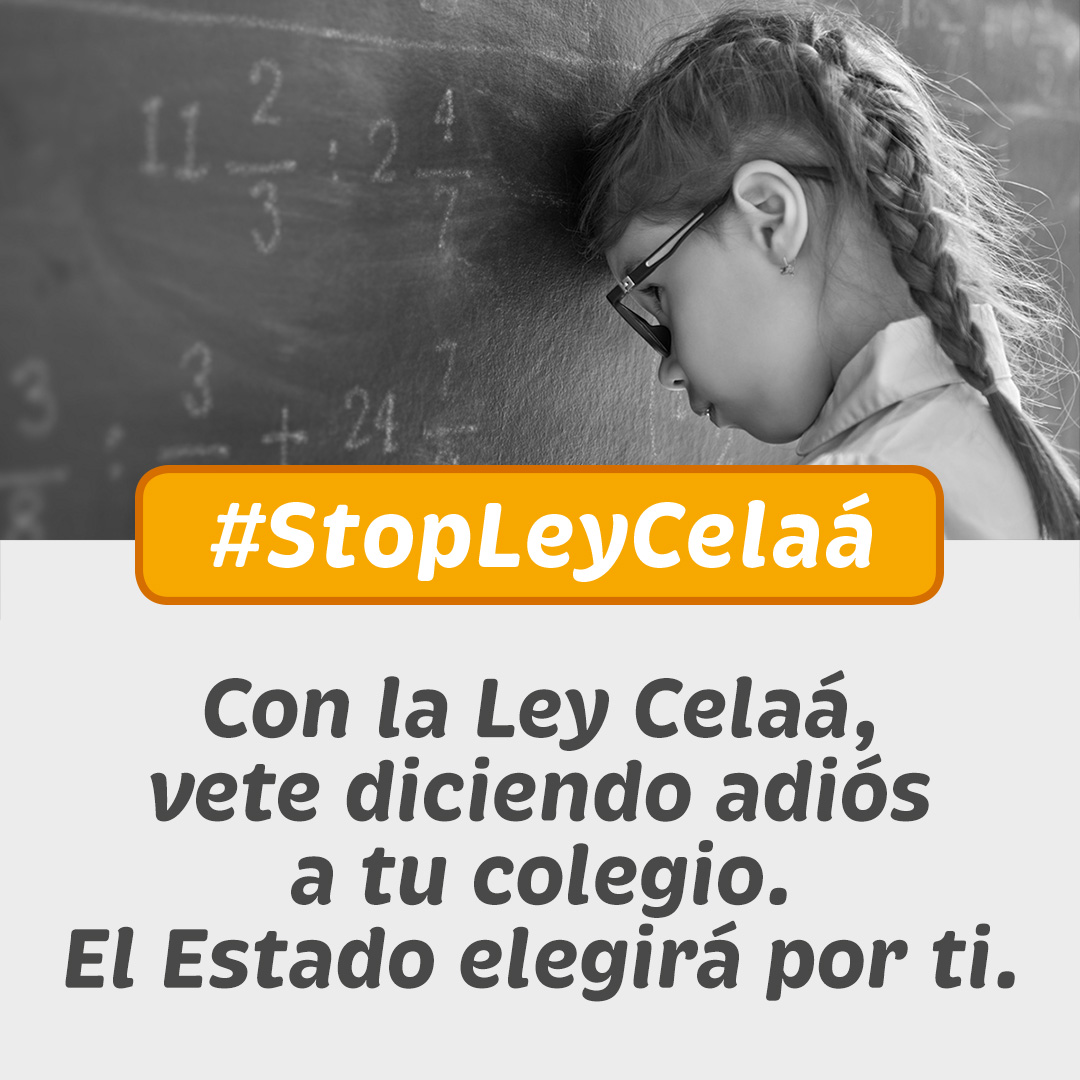
Con la Ley Celaá el estado elegirá por ti (Acción ciudadana) Los políticos están para servir al pueblo y no para servirse del pueblo (Anécdotas de la vida misma) Señales de tráfico machistas (Actualidad) El Milagro de los Corporales de Daroca (Ateo) 150 Razones por las que soy Católico (Abortion) El bufón Stanisław Gąska, el oso y el rey (Abortion) ¿Hasta dónde puede llegar la imbecilidad? (Acción ciudadana) Dolores Aveiro se planteó la posibilidad de abortar a Cristiano Ronaldo (Abortion) La importancia de tomar apuntes (Acción ciudadana) Mujeres graduadas vs hombres graduados en educación superior en España (Educación) Paginación de entradas 1 2 … 7 Siguientes
Los políticos están para servir al pueblo y no para servirse del pueblo (Anécdotas de la vida misma) Señales de tráfico machistas (Actualidad) El Milagro de los Corporales de Daroca (Ateo) 150 Razones por las que soy Católico (Abortion) El bufón Stanisław Gąska, el oso y el rey (Abortion) ¿Hasta dónde puede llegar la imbecilidad? (Acción ciudadana) Dolores Aveiro se planteó la posibilidad de abortar a Cristiano Ronaldo (Abortion) La importancia de tomar apuntes (Acción ciudadana) Mujeres graduadas vs hombres graduados en educación superior en España (Educación) Paginación de entradas 1 2 … 7 Siguientes
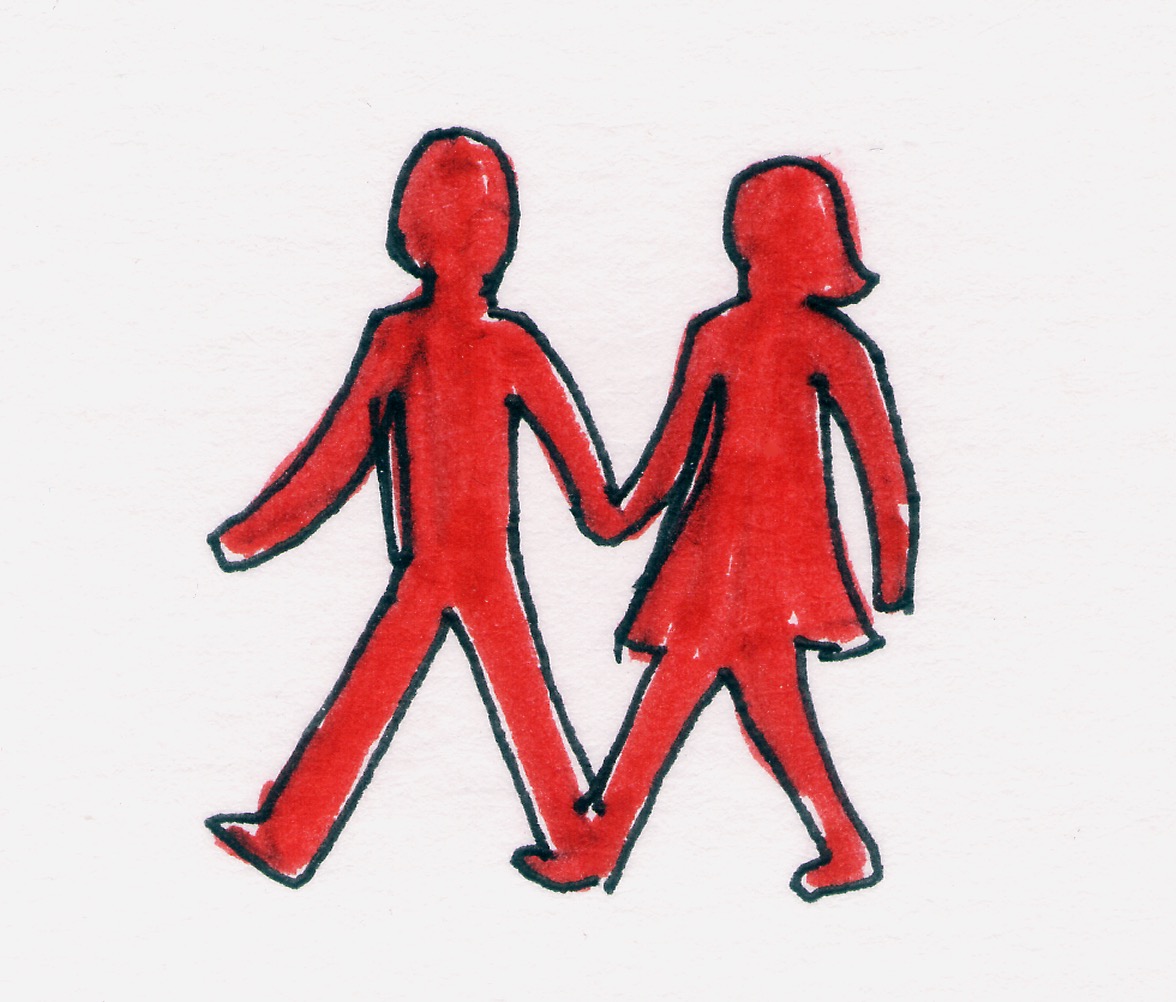
Señales de tráfico machistas (Actualidad) El Milagro de los Corporales de Daroca (Ateo) 150 Razones por las que soy Católico (Abortion) El bufón Stanisław Gąska, el oso y el rey (Abortion) ¿Hasta dónde puede llegar la imbecilidad? (Acción ciudadana) Dolores Aveiro se planteó la posibilidad de abortar a Cristiano Ronaldo (Abortion) La importancia de tomar apuntes (Acción ciudadana) Mujeres graduadas vs hombres graduados en educación superior en España (Educación) Paginación de entradas 1 2 … 7 Siguientes
El Milagro de los Corporales de Daroca (Ateo) 150 Razones por las que soy Católico (Abortion) El bufón Stanisław Gąska, el oso y el rey (Abortion) ¿Hasta dónde puede llegar la imbecilidad? (Acción ciudadana) Dolores Aveiro se planteó la posibilidad de abortar a Cristiano Ronaldo (Abortion) La importancia de tomar apuntes (Acción ciudadana) Mujeres graduadas vs hombres graduados en educación superior en España (Educación) Paginación de entradas 1 2 … 7 Siguientes
150 Razones por las que soy Católico (Abortion) El bufón Stanisław Gąska, el oso y el rey (Abortion) ¿Hasta dónde puede llegar la imbecilidad? (Acción ciudadana) Dolores Aveiro se planteó la posibilidad de abortar a Cristiano Ronaldo (Abortion) La importancia de tomar apuntes (Acción ciudadana) Mujeres graduadas vs hombres graduados en educación superior en España (Educación) Paginación de entradas 1 2 … 7 Siguientes
El bufón Stanisław Gąska, el oso y el rey (Abortion) ¿Hasta dónde puede llegar la imbecilidad? (Acción ciudadana) Dolores Aveiro se planteó la posibilidad de abortar a Cristiano Ronaldo (Abortion) La importancia de tomar apuntes (Acción ciudadana) Mujeres graduadas vs hombres graduados en educación superior en España (Educación) Paginación de entradas 1 2 … 7 Siguientes
¿Hasta dónde puede llegar la imbecilidad? (Acción ciudadana) Dolores Aveiro se planteó la posibilidad de abortar a Cristiano Ronaldo (Abortion) La importancia de tomar apuntes (Acción ciudadana) Mujeres graduadas vs hombres graduados en educación superior en España (Educación) Paginación de entradas 1 2 … 7 Siguientes
Dolores Aveiro se planteó la posibilidad de abortar a Cristiano Ronaldo (Abortion) La importancia de tomar apuntes (Acción ciudadana) Mujeres graduadas vs hombres graduados en educación superior en España (Educación) Paginación de entradas 1 2 … 7 Siguientes
La importancia de tomar apuntes (Acción ciudadana) Mujeres graduadas vs hombres graduados en educación superior en España (Educación) Paginación de entradas 1 2 … 7 Siguientes
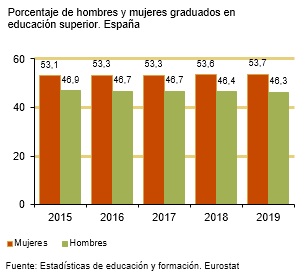
Mujeres graduadas vs hombres graduados en educación superior en España (Educación) Paginación de entradas 1 2 … 7 Siguientes